Detoxing The Colon
As we age, toxins can accumulate in the colon, leading to problems such as constipation, bloating, stomach pains, dehydration and diarrhea.
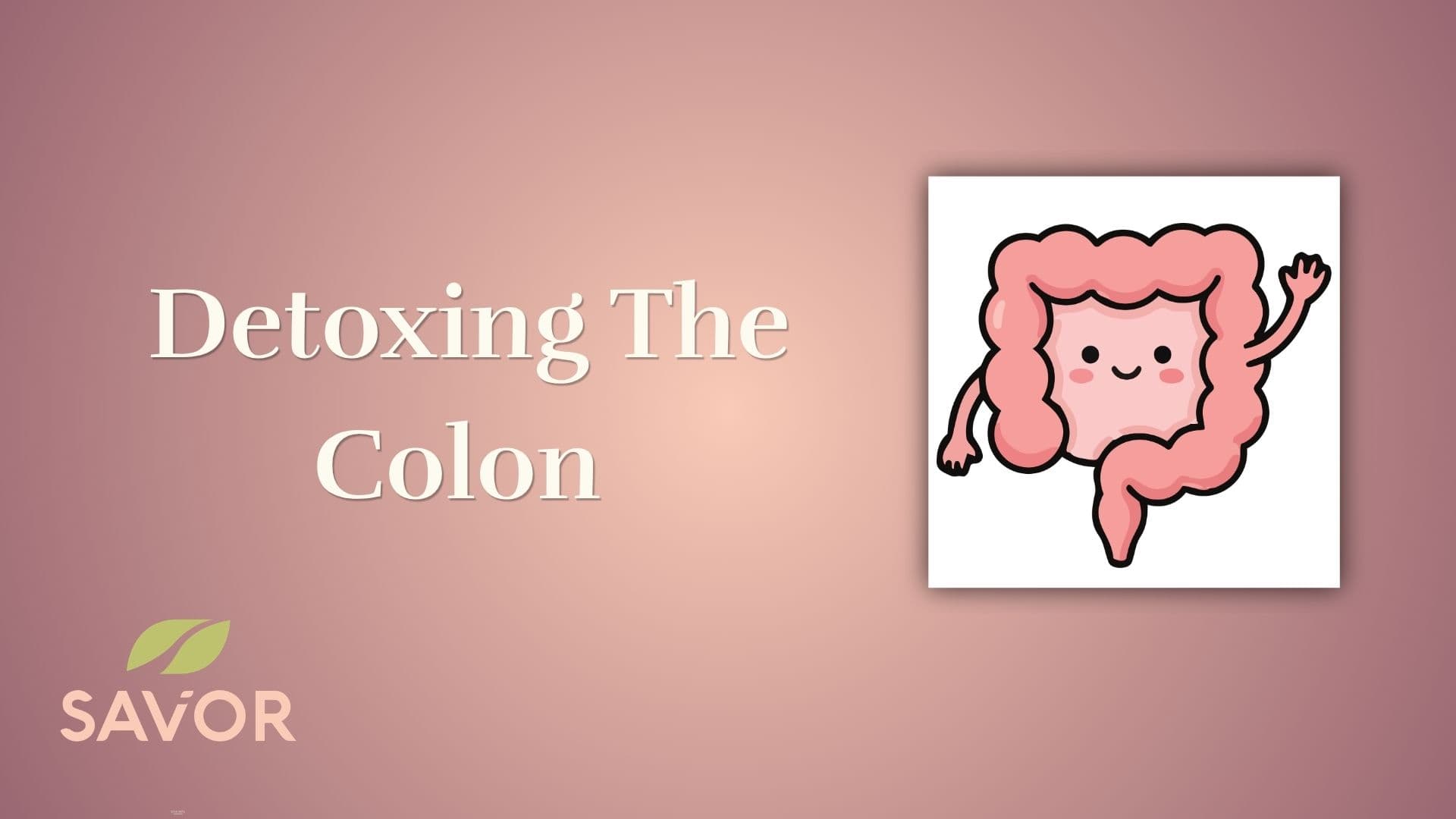
Detoxing The Colon
As we age, toxins can accumulate in the colon, leading to problems such as constipation, bloating, stomach pains, dehydration and diarrhea.
Thankfully, there are some teas you can brew that can help flush out toxins from your colon.

Disclaimer
These plants are natural laxatives, so it is important to use them sparingly to avoid complications.
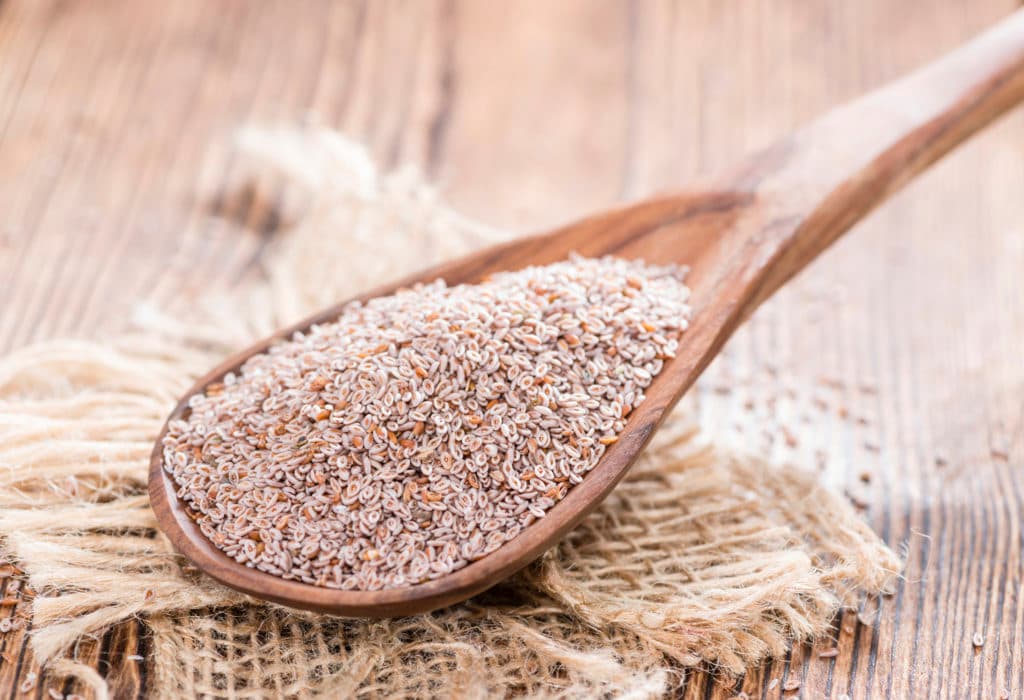
Psyllium Husk
Psyllium husk is a soluble fiber supplement derived from Plantago ovata seeds. This fiber acts as a natural laxative.
Psyllium works by soaking up water in the gut, this allows stool in the gut to pass through the digestive system easier. Psyllium can be prescribed during constipation to prevent hemorrhoids and anal fissures.
Psyllium is also a prebiotic, which is important for fostering the growth of healthy probiotic colonies in the gut. This healthy gut microbiome will allow your body to fight against infections and inflammations.
Start with 1 teaspoon of psyllium husk powder in hot water. The recommended dosage is 5 to 10 grams, up to 3 times a day.
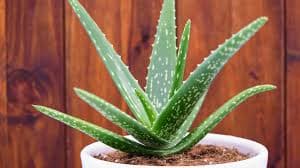
Aloe Vera
Aloe Vera is commonly liquefied into a gel that contains mucilage, which acts as a prebiotic and soothes digestive inflammation.
When used on the skin, it works by hydrating and smoothing the skin. When taken internally, it has a soothing effect and can act as a laxative.
Aloe Vera liquid is commonly used to treat irritable bowel syndrome (IBS) and constipation. It can help alleviate symptoms such as cramping, pain and bloating.
Mix 1 to 2 tablespoons a day of aloe vera juice into your water, fruit juices or smoothies.
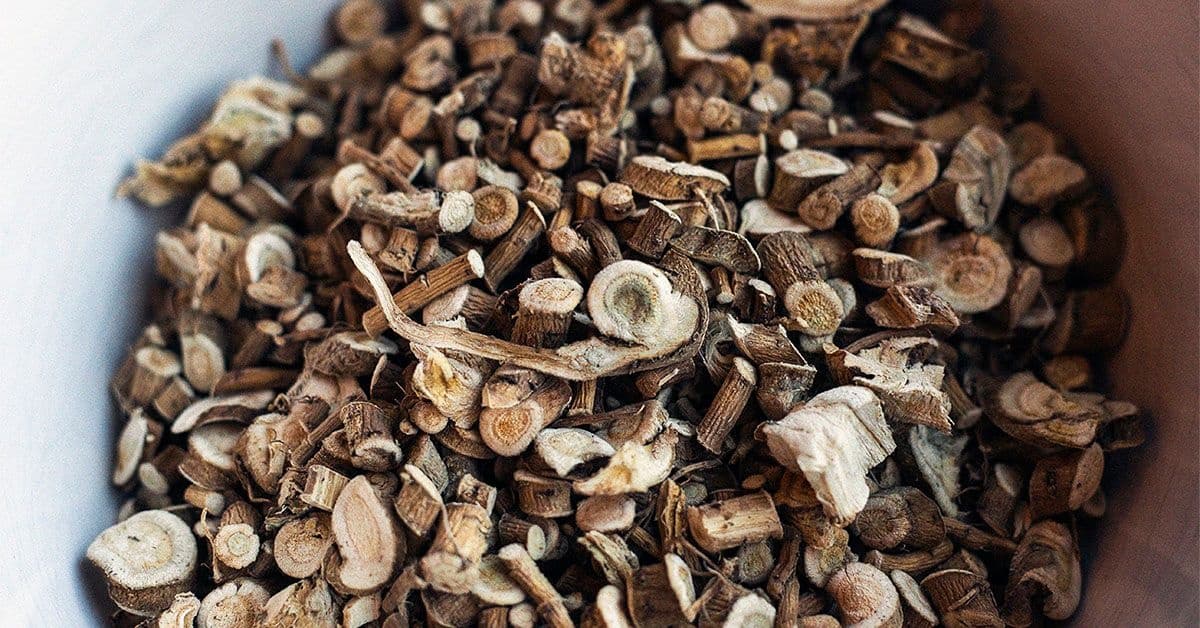
Marshmallow Root
Marshmallow Root is another herb rich in mucilage, traditionally used to make Marshmallows.
On top of being able to cleanse the kidneys and colon, as well as help with gastric ulcers, Marshmallow Root also has the potential to treat coughs and colds, wounds and eczema.
To make Marshmallow Root tea, pour boiling water over 1–2 teaspoons of dried root, and leave covered for 5 to 10 minutes.
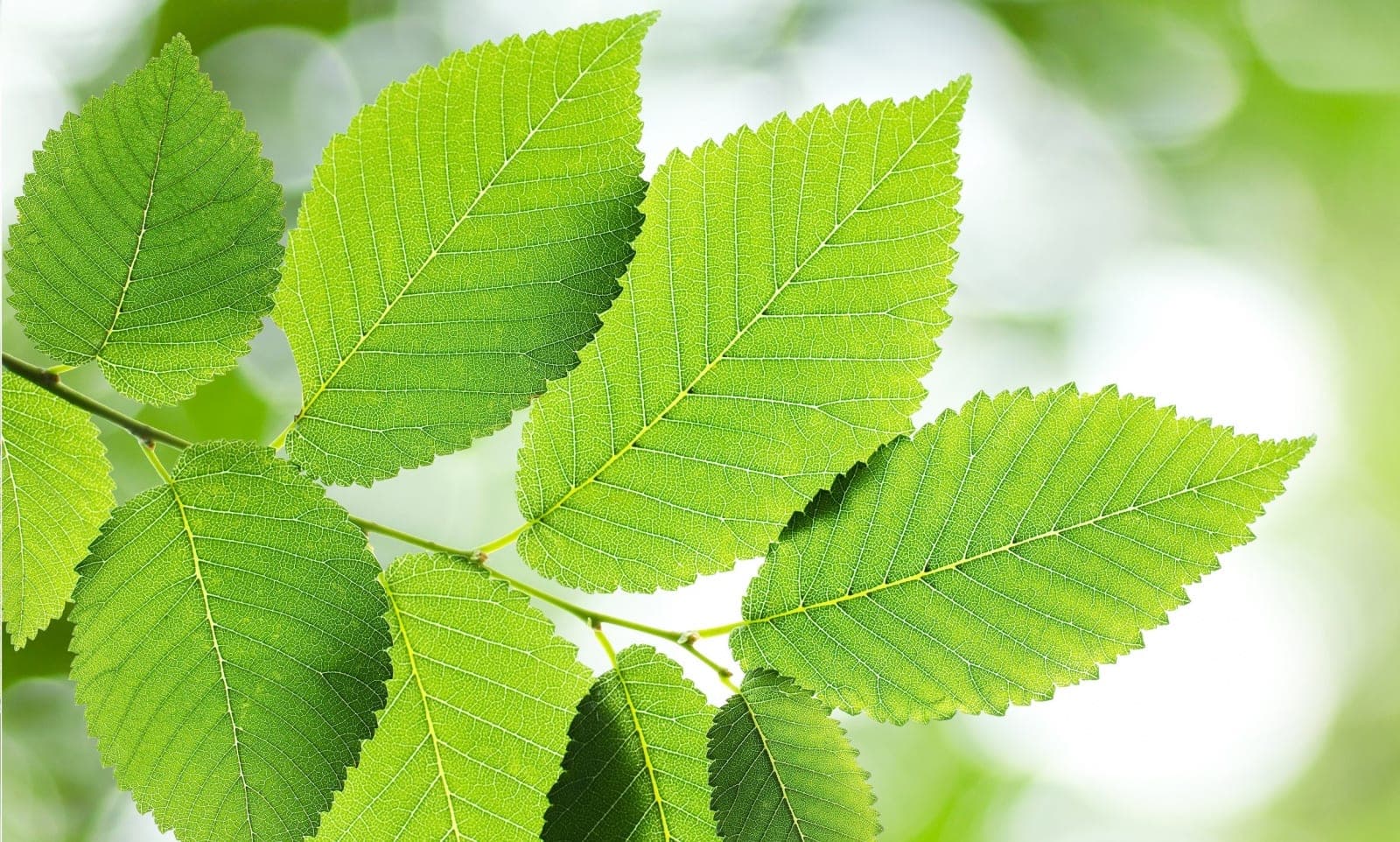
Slippery Elm
The bark of the slippery elm tree, and is a natural demulcent, which contains mucoprotective properties that soothes mucous membranes in the digestive and respiratory lining.
Slippery elm is often used to treat gastroesophageal reflux disease (GERD), heartburn, urinary tract infection (UTI), as well as coughs.
Slippery elm is effective at treating irritable bowel disease (IBD) as well as more advanced stages of IBS such as Crohn’s disease and ulcerative colitis.
To make the tea, add 2 tablespoons of Slippery Elm powder into boiling water and let it steep for a few minutes.

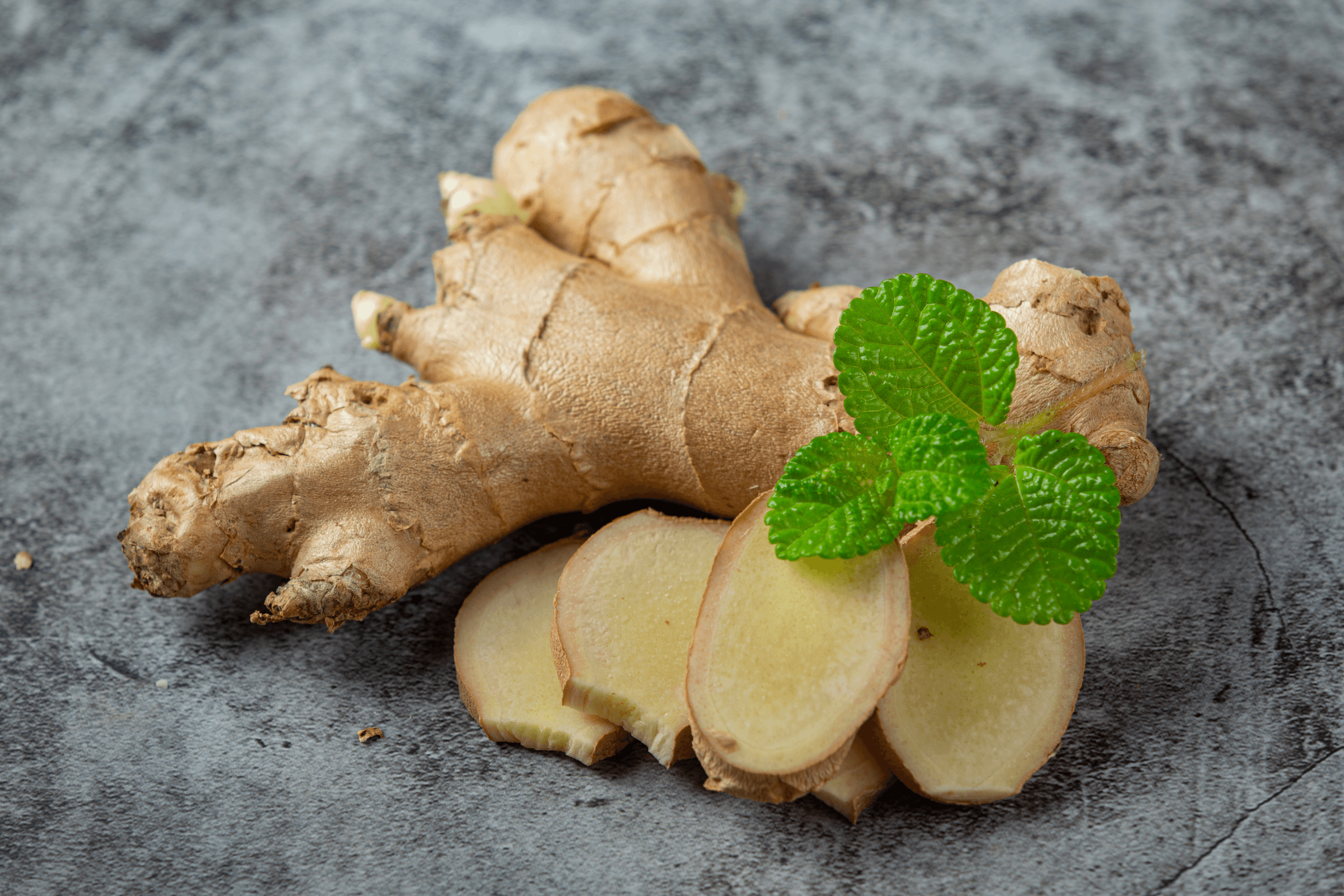
Ginger
Long used in traditional Chinese medicine, ginger contains beneficial plant chemicals that help with digestion.
Ginger promotes gastric motility, which aids in digesting food through the gastrointestinal (GI) tract. It works by stimulating digestive juices.
By flushing out toxins from the colon, ginger provides protection against colorectal cancer.
To make ginger tea, simmer 10–15g of fresh ginger per 250–300ml of water for 5–15 minutes.
Sources:
Healthline: 8 Ways to Do a Natural Colon Cleanse at Home
WebMD: How to Use Psyllium Husk
Healthline: Can Aloe Vera Juice Treat IBS?
Healthline: Everything You Need to Know About Marshmallow Root
Healthline: Benefits of Slippery Elm Bark and How to Use It
Healthline: 11 Possible Health Benefits of Ginger
Sign up for Savor Summit 2026 featuring Barbara O’Neill!