Grip Strength Slows Aging!
What if the secret to aging well was hiding deep inside your brain all along? A fascinating new study from the University of California Riverside, suggests that a little-known brain structure could be the key to understanding why some people stay strong as they age, while others grow frail.

Grip Strength Slows Aging!
What if the secret to aging well was hiding deep inside your brain all along? A fascinating new study from the University of California Riverside, suggests that a little-known brain structure could be the key to understanding why some people stay strong as they age, while others grow frail.

The Research
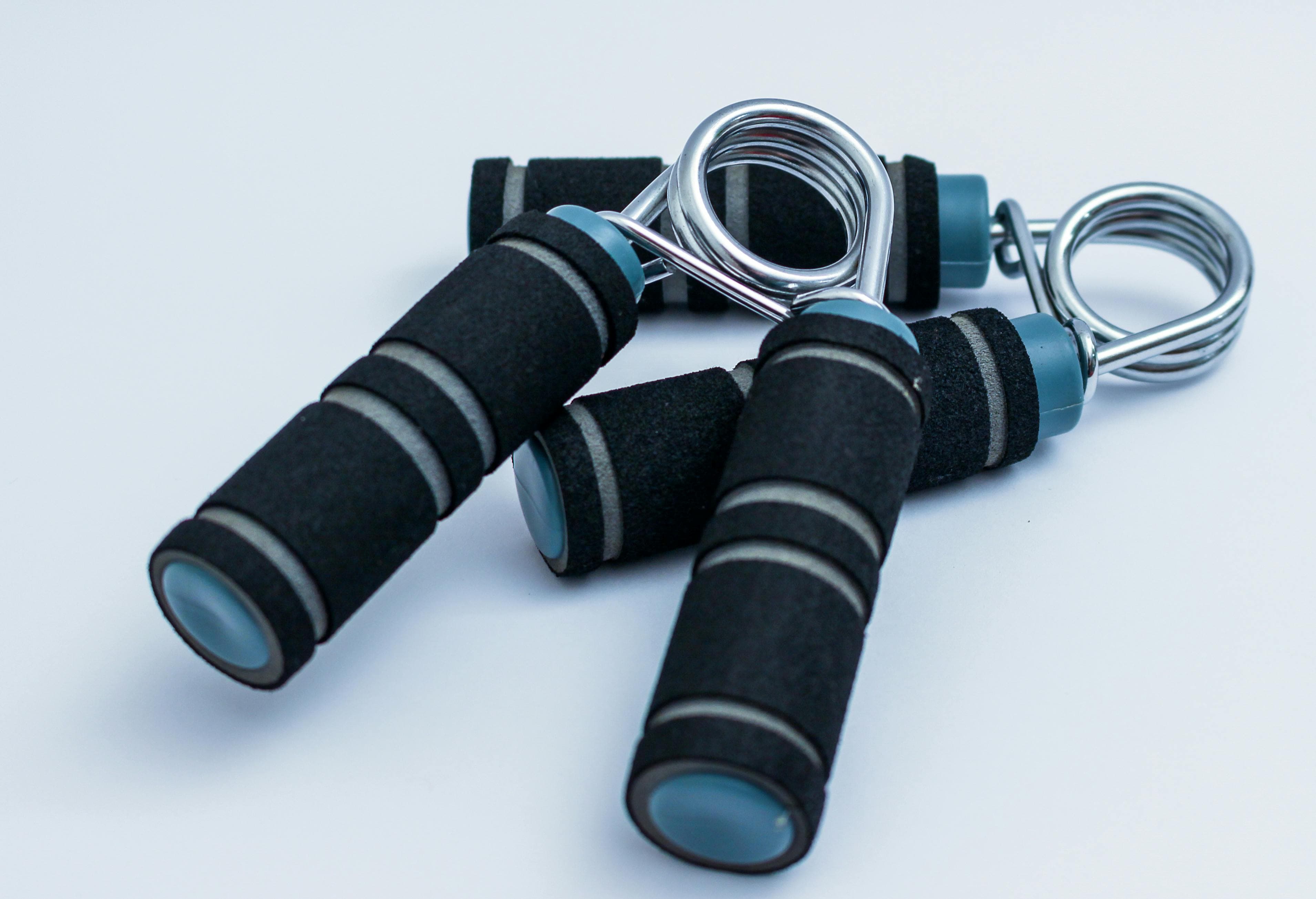
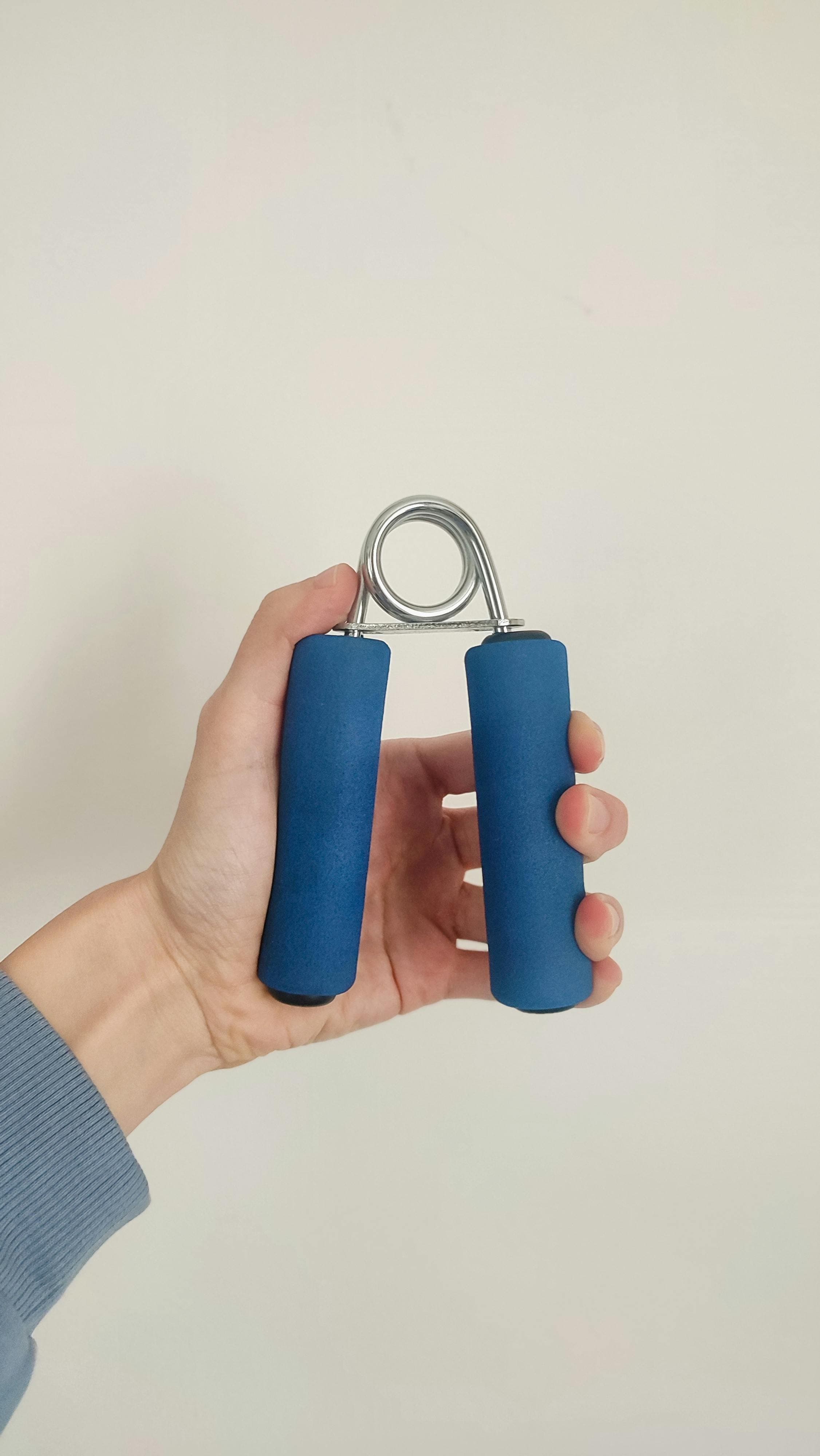
Researchers used functional MRI to monitor brain activity in older adults as they performed a maximum grip strength test, squeezing a device as hard as possible. This measurement is widely used as an indicator of overall physical strength. The results were eye-opening.
"Grip strength is more than just muscle," said Xiaoping Hu, a bioengineering professor and senior study author. "It's a marker of how well your body and your brain are functioning as you get older."
The Brain Regions Involved
Out of the many brain regions examined, one emerged as the strongest predictor of grip strength: the caudate nucleus. This structure lies deep within the brain and is known for its role in movement and decision-making, but its link to physical strength had largely been overlooked until now.
The study included 60 older adults, with equal numbers of men and women, each completing three MRI sessions during strength tests. Using advanced computational methods, the researchers mapped out each participant's brain connectivity, comparing those patterns to grip strength results.
Higher levels of blood flow and stronger connectivity in the caudate nucleus were linked to greater grip strength, regardless of gender.
Other brain regions also played a role. The tail of the hippocampus, which supports memory, and the anterior cingulate cortex, which plays a role in emotion and attention, also showed links to grip strength. Still, the caudate nucleus stood out as the dominant player.
A Clear Connection
This research is among the first to study grip strength using real-time brain imaging during an active movement task. Earlier studies focused on brain structure or resting activity, rather than capturing neural function during physical effort.
The findings are significant. By linking grip strength to specific brain networks, the researchers aim to develop new diagnostic tools and possibly identify targets for therapies or training programs designed to slow age-related decline.
"Just as you might strengthen muscles with exercise," said doctoral researcher Amin Ghaffari, "we could envision ways to strengthen these neural connections through targeted interventions."
Precautions
Before you head out to buy grip strengtheners, it is important to note that the tendons in your forearms and wrist are delicate. This is especially true if you suffer from carpal tunnel syndrome.
As with all other exercises, moderation is key. Start small with low resistance grip trainers and low reps below 10, before gradually increasing.
Source:
Sign up for Savor Summit 2026 featuring Barbara O’Neill!