Supporting a Healthy Prostate
Benign prostatic hyperplasia (BPH), or enlarged prostate, affects more than 50% of men over 50, causing bothersome symptoms like nighttime urinary frequency that can significantly disrupt quality of life.

Supporting a Healthy Prostate
Benign prostatic hyperplasia (BPH), or enlarged prostate, affects more than 50% of men over 50, causing bothersome symptoms like nighttime urinary frequency that can significantly disrupt quality of life.
While there is no single cure, the diet you eat can make a meaningful difference. Here are the top plant-based allies for your prostate, and what you should be cutting out.
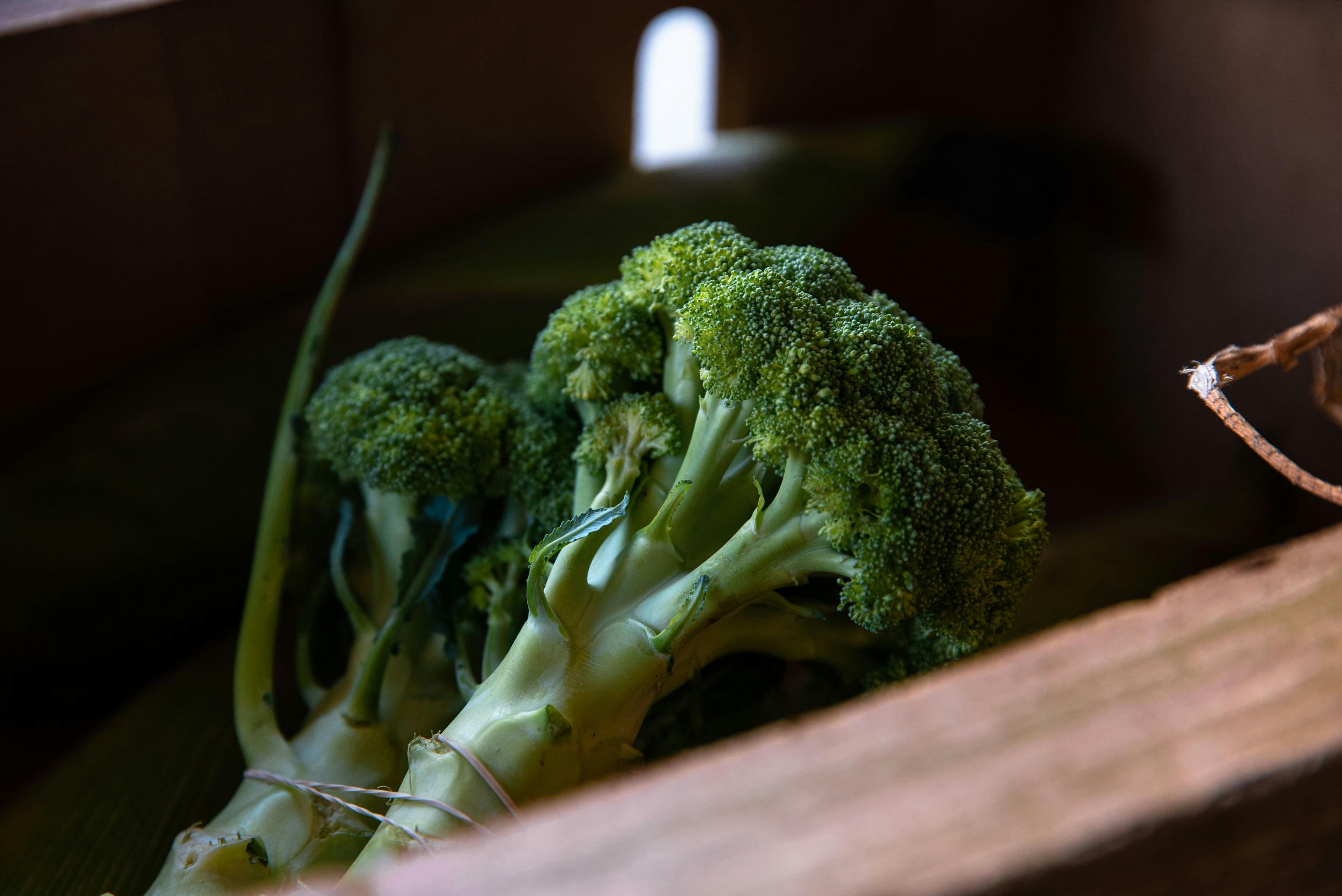
Cruciferous vegetables
Cruciferous vegetables are a cornerstone of prostate-protective eating. When we eat vegetables like broccoli, cauliflower, cabbage, brussels sprouts, and bok choy, our bodies produce sulforaphane, a compound linked to a decreased risk of prostate cancer. Research also suggests that eating four daily servings of vegetables may decrease the risk of an enlarged prostate by as much as 32%.
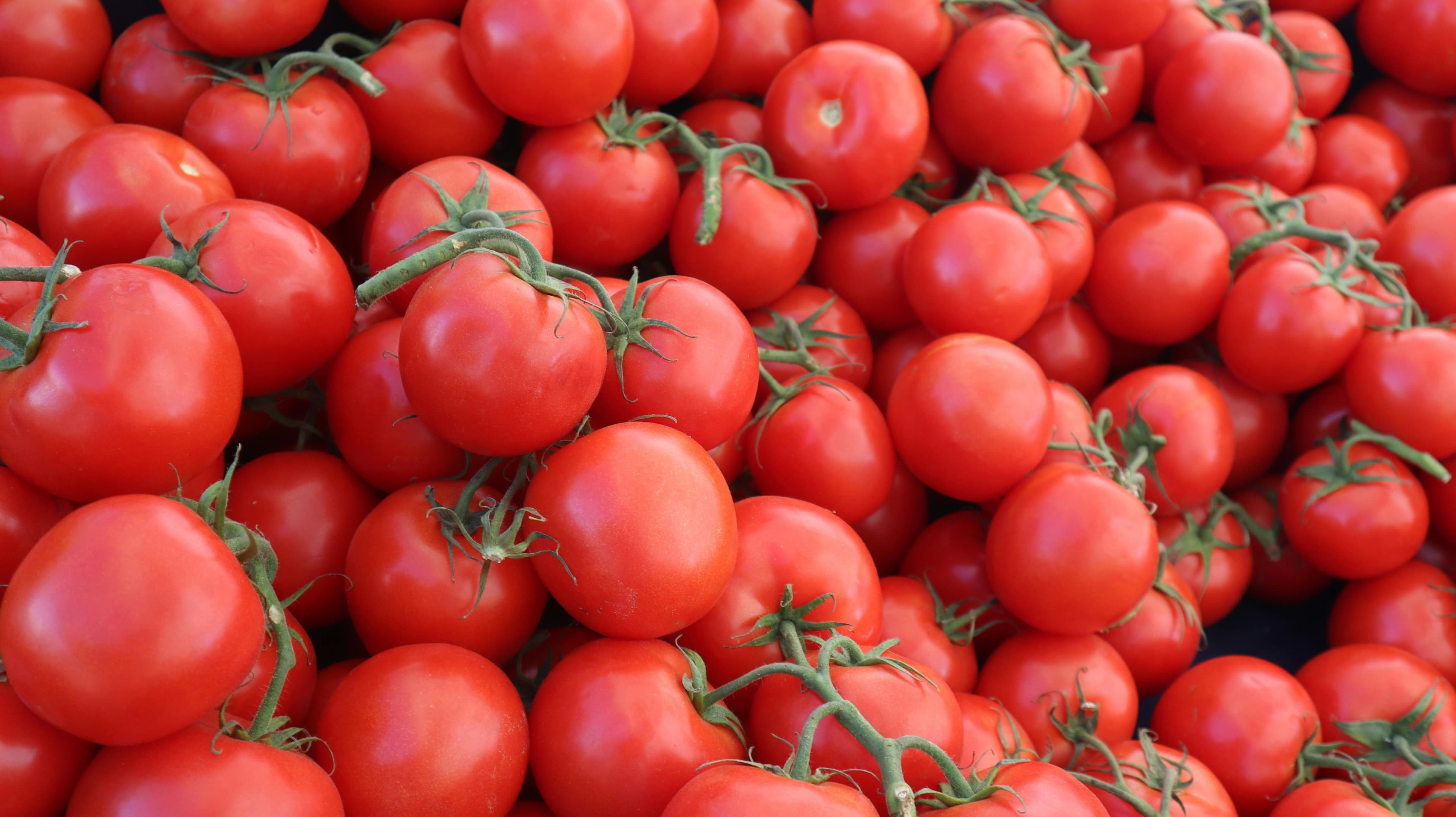
Tomatoes
Tomatoes deserve special mention. They are rich in the antioxidant lycopene, which has been shown to reduce prostate cancer risk and may help slow the progression of BPH. Lycopene is especially concentrated in tomato paste, making it one of the most studied antioxidants for prostate health. Cooking tomatoes and pairing them with a healthy fat like olive oil boosts lycopene absorption further.
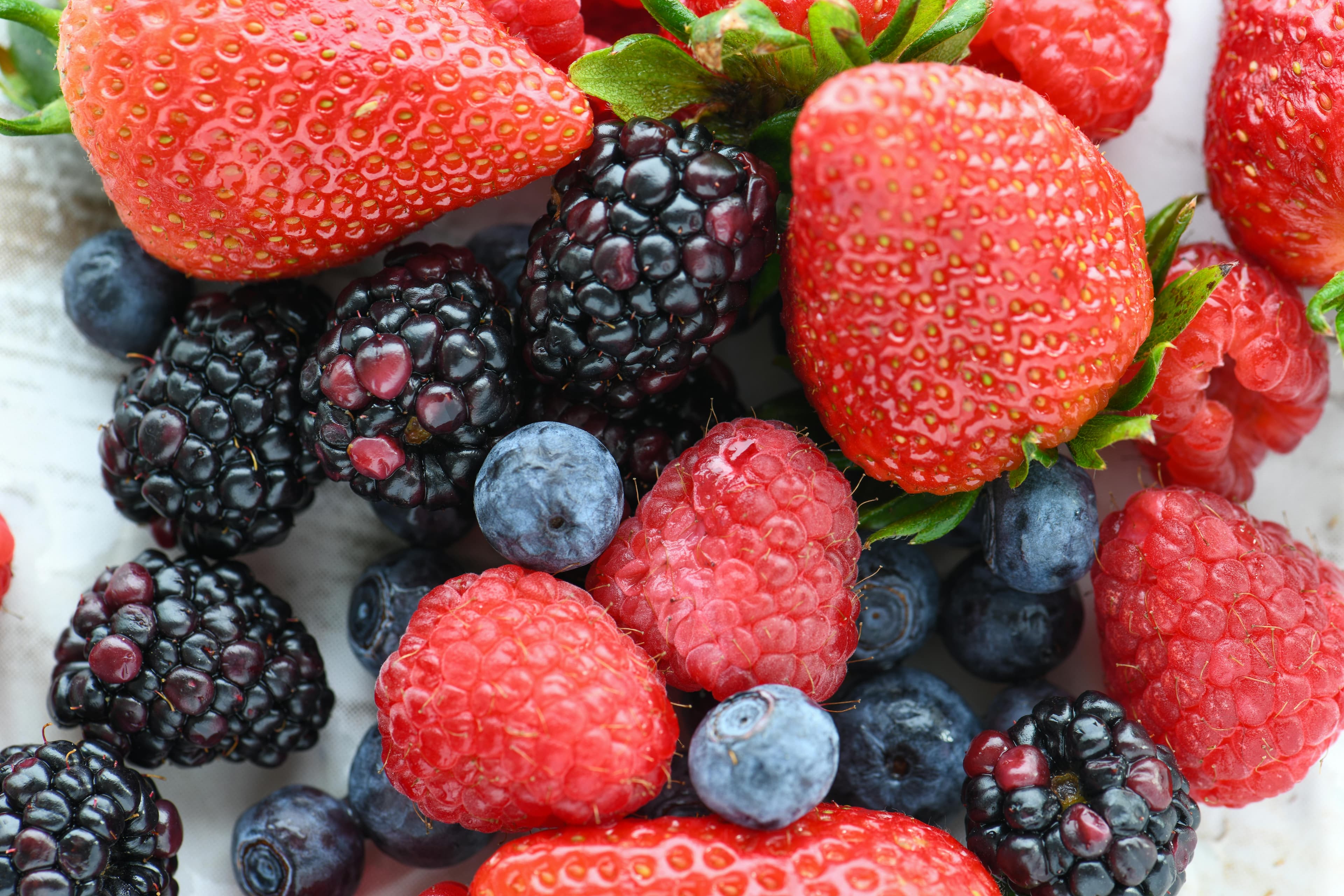
Berries
Berries are another powerful plant-based option. Blueberries, raspberries, strawberries, and blackberries are rich in antioxidant compounds called anthocyanins and anthocyanidins, which have been shown to reduce prostate tumor weight and inflammation.
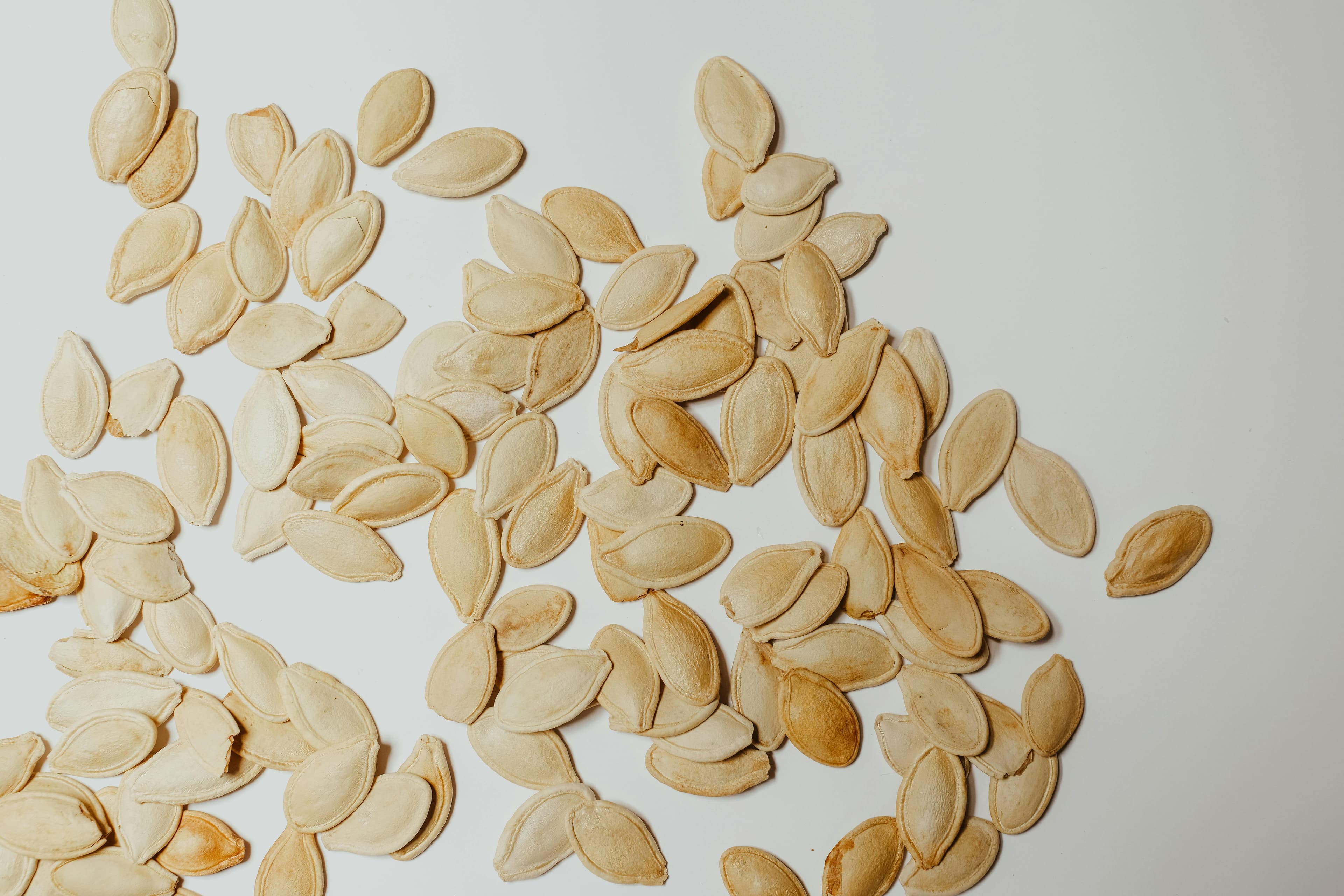
Pumpkin seeds
Pumpkin seeds are a standout among seeds and nuts. They contain compounds that naturally inhibit the enzyme responsible for converting testosterone into DHT, the hormone that drives prostate growth. They also provide zinc, an essential mineral for prostate health. Beta-sitosterol, also found in pumpkin seeds, may help reduce symptoms of an enlarged prostate.
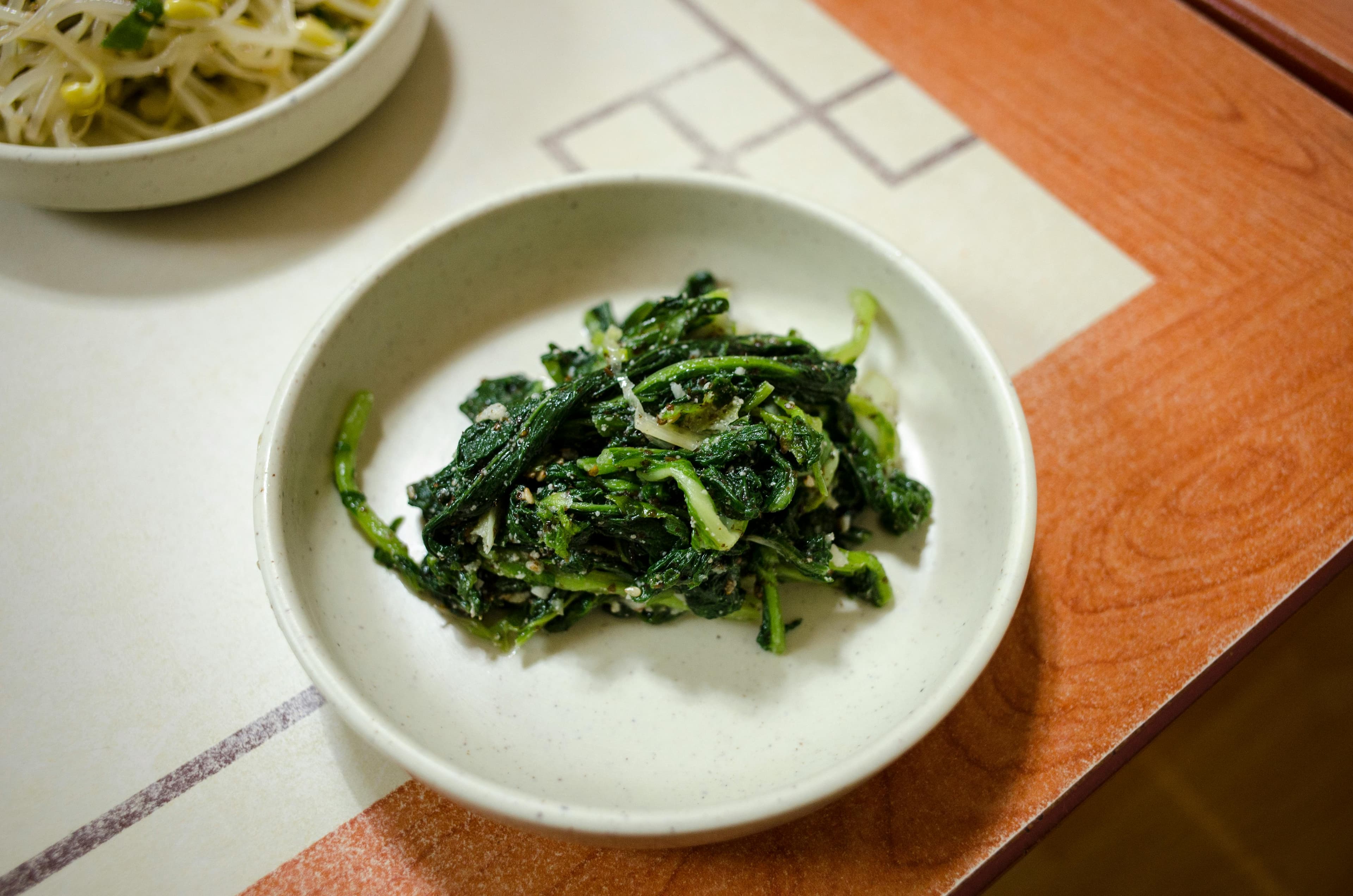
Dark leafy greens
Dark leafy greens like kale, spinach, and mustard greens round out the list. These vegetables contain prostate-healthy micronutrients including vitamin C, beta-carotene, and lutein.
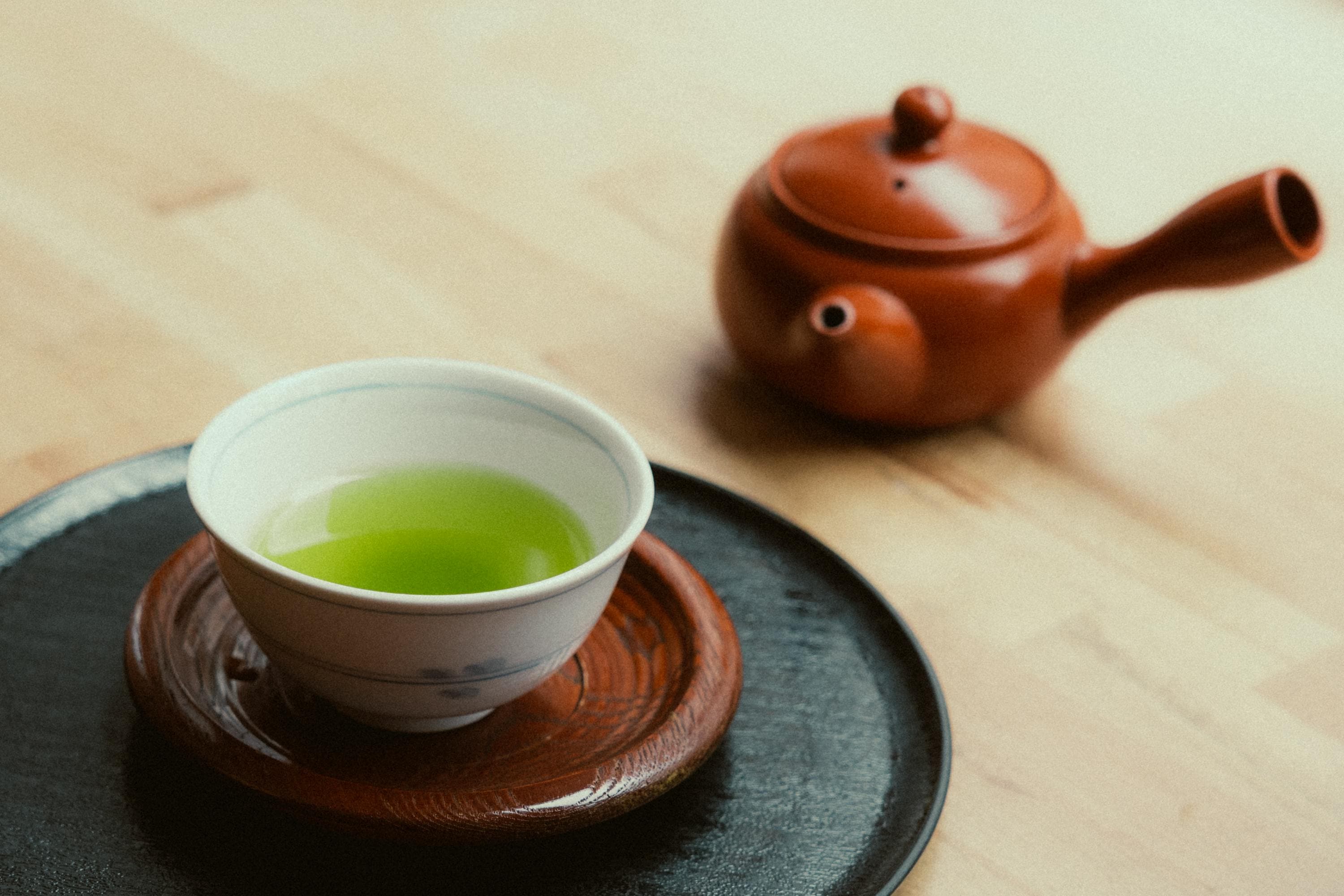
Green tea
Green tea is also worth adding to your daily routine, as it contains catechins that can naturally reduce DHT levels.
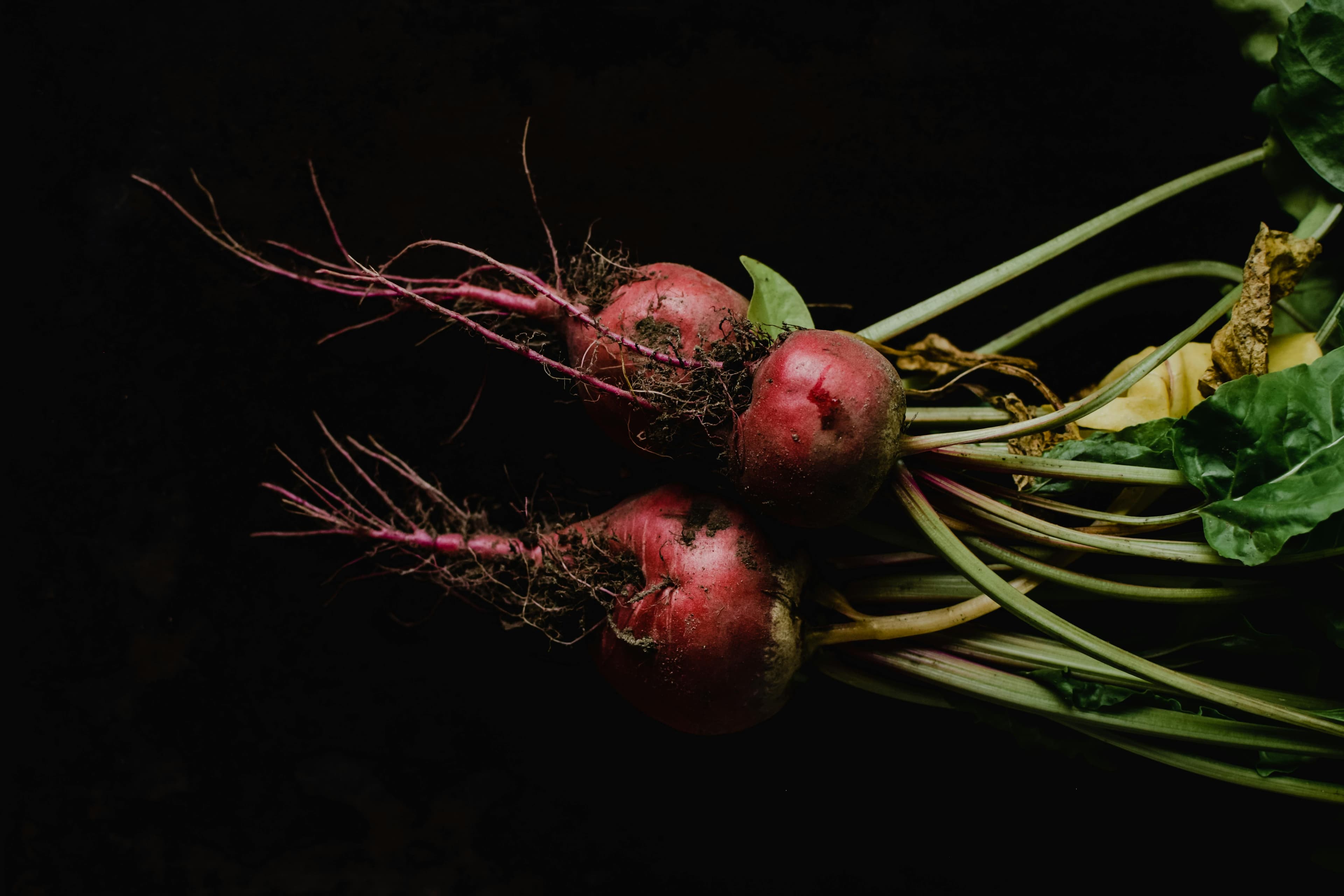
Arugula and beets
Two surprising plant-based additions are arugula and beets. Arugula contains the highest concentration of nitric oxide of all vegetables, acting as a vasodilator that helps urine flow more freely. Beets complement it perfectly, as their natural nitrate content also improves circulation and urinary function.
Foods to Avoid
Diet can hurt just as much as it helps. Excess sugar intake has been linked to an increased risk of prostate cancer, so it is important to watch out for sugary beverages and fruit juices. Sugars and starches such as bread, pasta, cereals, and cookies raise insulin, which acts as a growth hormone for the prostate.
Dairy products can lead to elevated levels of insulin-like growth factor (IGF), a hormone linked to both prostate cancer and BPH, and can also trigger inflammation for many people. Alcohol increases nighttime urinary frequency, while fried foods and ultra-processed foods have also been associated with a greater risk of prostate cancer.
Source:
Dr Will Cole: Foods To Eat And Limit For An Enlarged Prostate
Summabase: 11 natural foods to reduce enlarged prostate
Sign up for Savor Summit 2026 featuring Barbara O’Neill!