The Diet To End Constipation
If you’ve ever suffered from IBS (Irritable Bowel Syndrome) or chronic constipation, you might want to try the low-FODMAP diet.
The Diet To End Constipation
If you’ve ever suffered from IBS (Irritable Bowel Syndrome) or chronic constipation, you might want to try the low-FODMAP diet.
Here’s how it works.
Disclaimer
Before we continue, it is important to know what the experts say. Hazel Galon Veloso, M.D. states that the low-FODMAP diet is not a diet anyone should follow for long as it eliminates a wide variety of foods.
What Is FODMAP?
FODMAP stands for fermentable oligosaccharides, disaccharides, monosaccharides and polyols. These are short-chain carbohydrates (sugars) that the small intestine absorbs poorly, leading to digestive problems for people who consume them regularly. Symptoms of high-FODMAP diets include:
Cramping
Diarrhea
Constipation
Stomach bloating
Gas and flatulence
What Types Of Foods Are High-FODMAP?
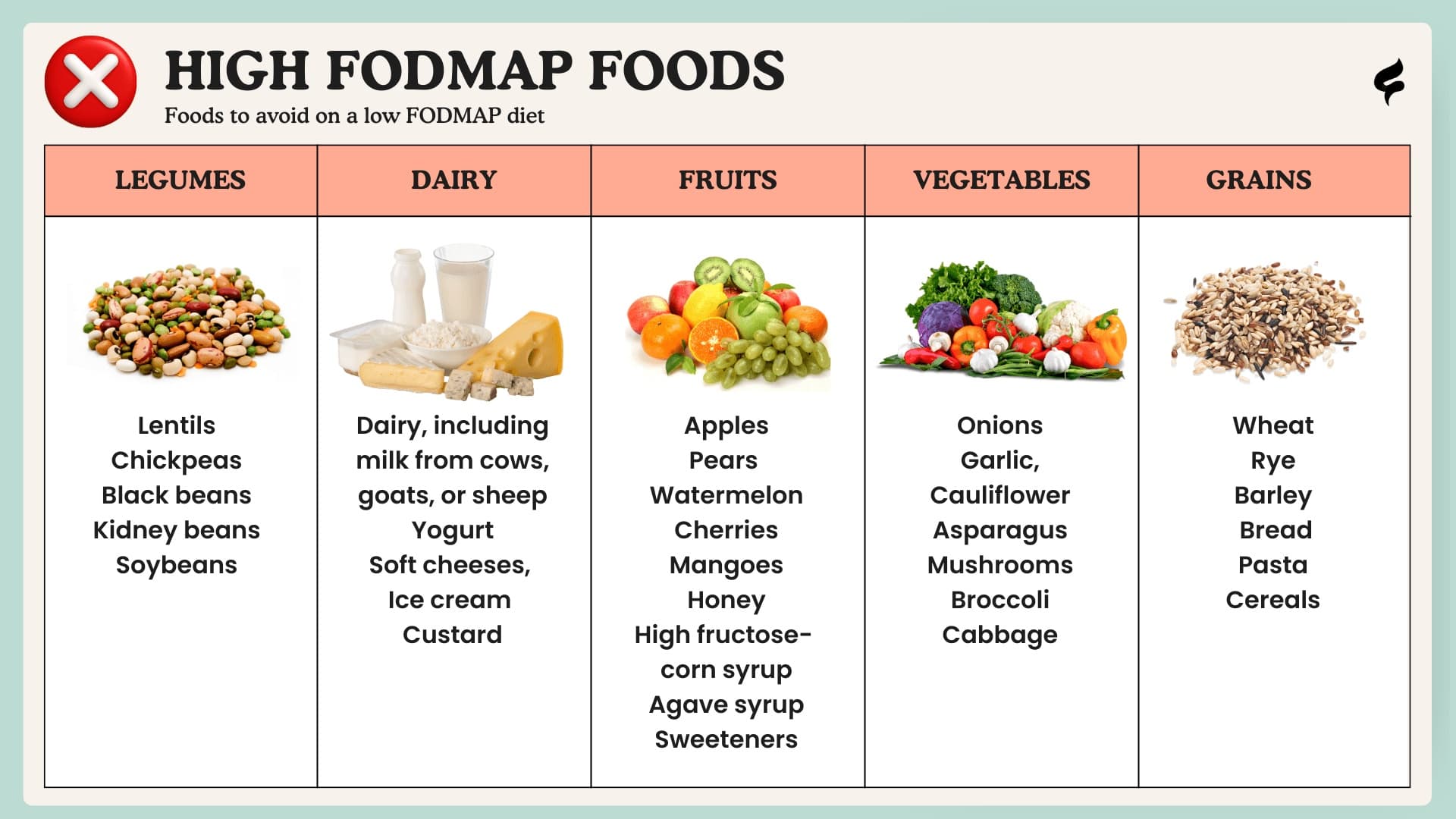
High-FODMAP diets can disturb digestive function. In a low-FODMAP diet, you generally want to avoid these foods:
Fruits: apples, mangoes, cherries, pears and peaches, honey, high-fructose corn syrup, agave
Dairy: milk, yogurt and ice cream
Wheat-based products: cereal, bread and crackers,
Certain vegetables: artichokes, asparagus, leeks, mushrooms, broccoli, cabbage, cauliflower, yellow and green beans, onions and garlic
Legumes: beans, lentils, and soybeans
Polyols: Sugar alcohols and fruits that have pits or seeds, such as apples, avocados, cherries, figs, peaches, or plums
Starting a Low-FODMAP Diet
A study found that 3 out of 4 people with IBS had their symptoms go away after starting a low-FODMAP diet.
In the first phase of the diet, begin by cutting high-FODMAP foods entirely for 2 to 6 weeks.
In week 7, slowly begin to reintroduce high-FODMAP foods one by one to identify which foods trigger digestive problems.
Low-FODMAP foods
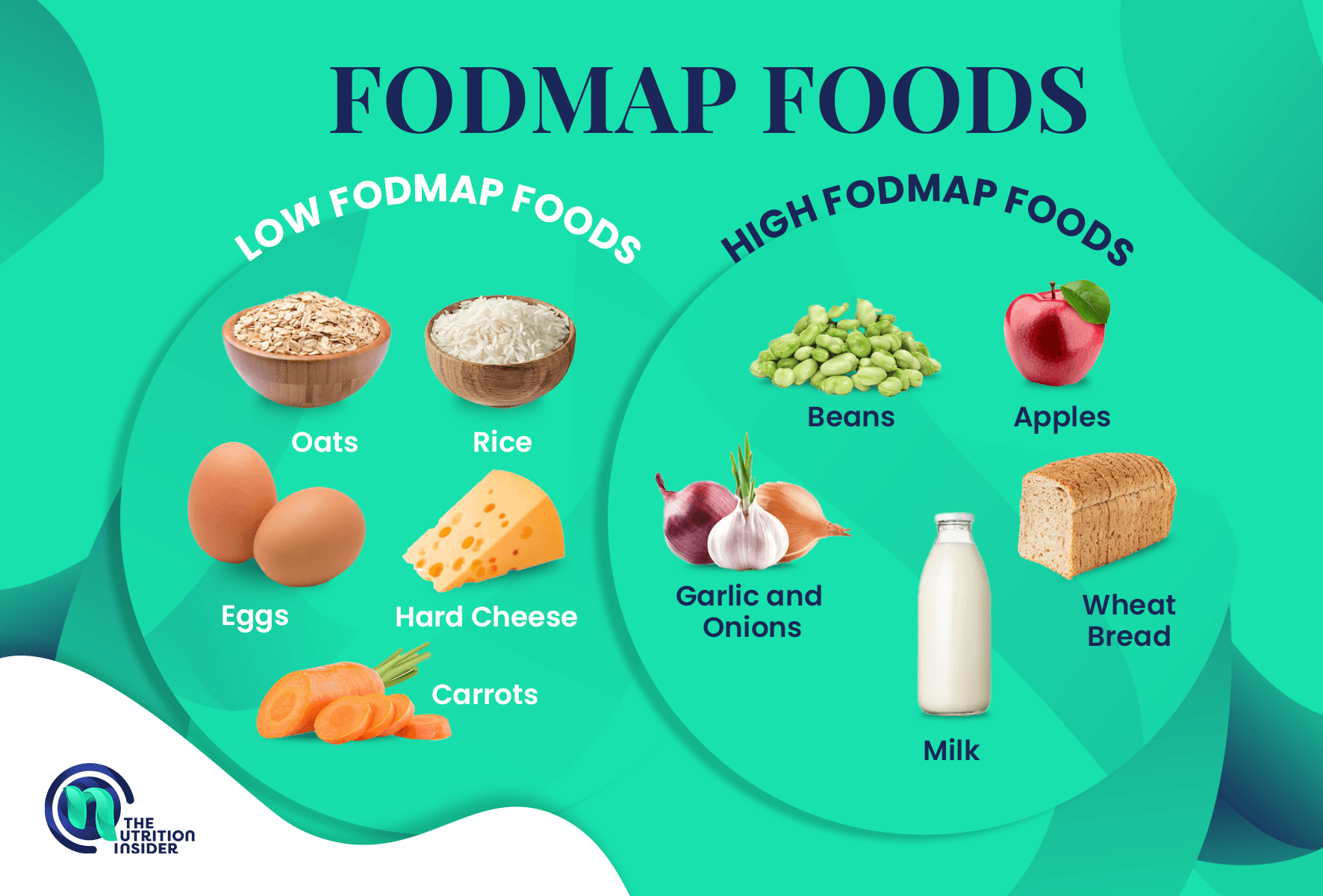
During a Low-FODMAP diet, there are several foods that can be safely incorporated, such as:
Plant milk: almond milk
Grains: brown rice, quinoa and oats
Nuts: almond, macadamia, peanuts, walnuts
Selected vegetables: bell peppers, carrots, leafy greens, celery, bok choy, green beans, pumpkin, eggplant, potatoes, tomatoes, cucumbers and zucchini
Selected fruits: bananas, grapes, citruses (orange, tangerine, grapefruits, lemon, lime), berries (raspberries, strawberries, blueberries), passionfruit
Sources:
John Hopkins Medicine: FODMAP Diet: What You Need to Know
WebMD: Low-FODMAP Diet
Nutrition Insider: Low FODMAP Meal Plan
Sign up for Savor Summit 2026 featuring Barbara O’Neill!