Olive Oil: The Best Oil For Cooking
Extra virgin olive oil is undoubtedly the best type of oil for cooking. It is healthier than all of its counterparts, and is entirely plant-sourced and minimally processed.
Olive Oil: The Best Oil For Cooking
Extra virgin olive oil is undoubtedly the best type of oil for cooking. It is healthier than all of its counterparts, and is entirely plant-sourced and minimally processed.
Today, we will delve into some of its benefits.
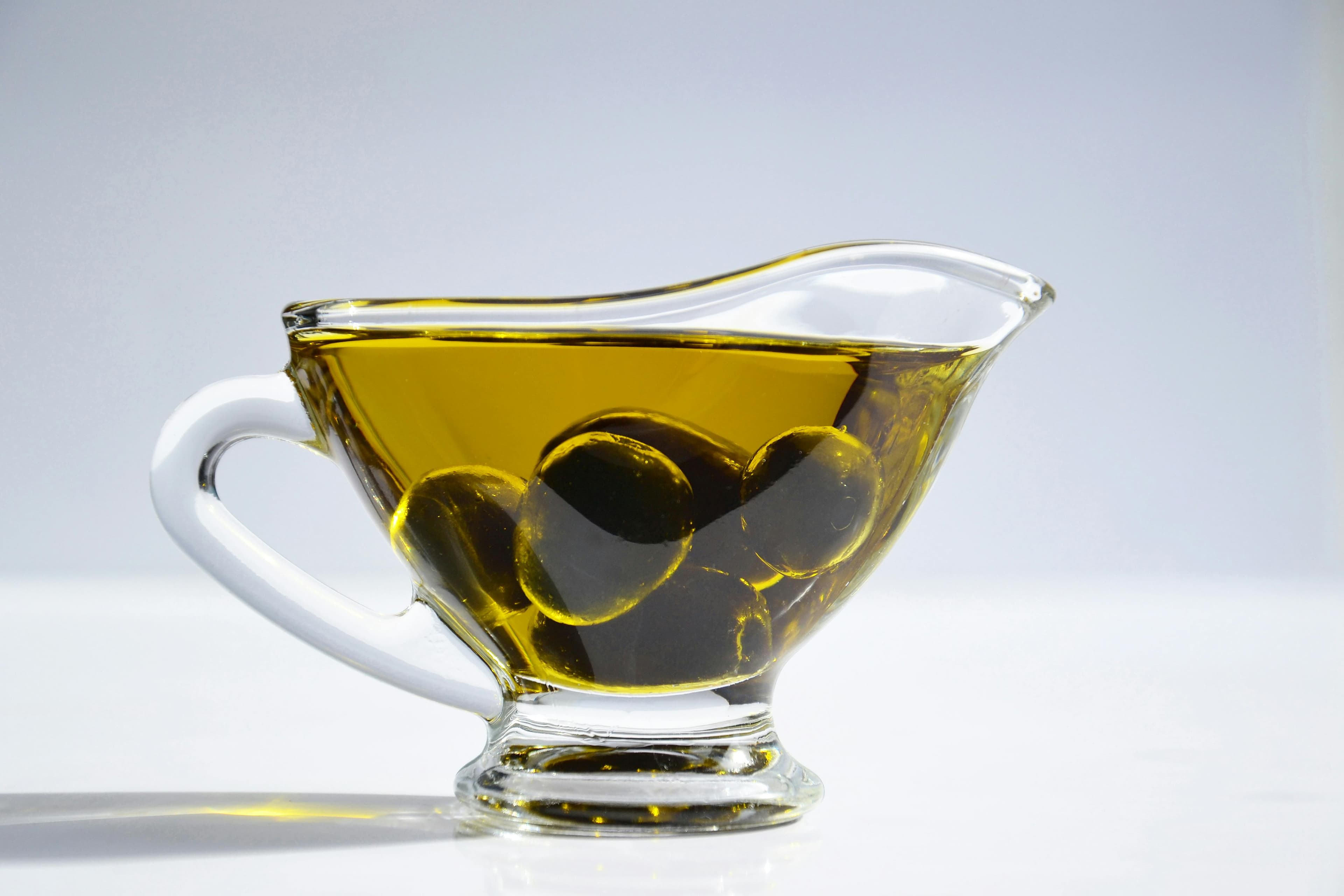
Types of Olive Oil
Extra virgin olive oil (EVOO) is olive oil that has undergone the least amount of processing, contains the least impurities, and is lower in acidity. This makes it the best choice among other olive oil variants if you are health conscious.
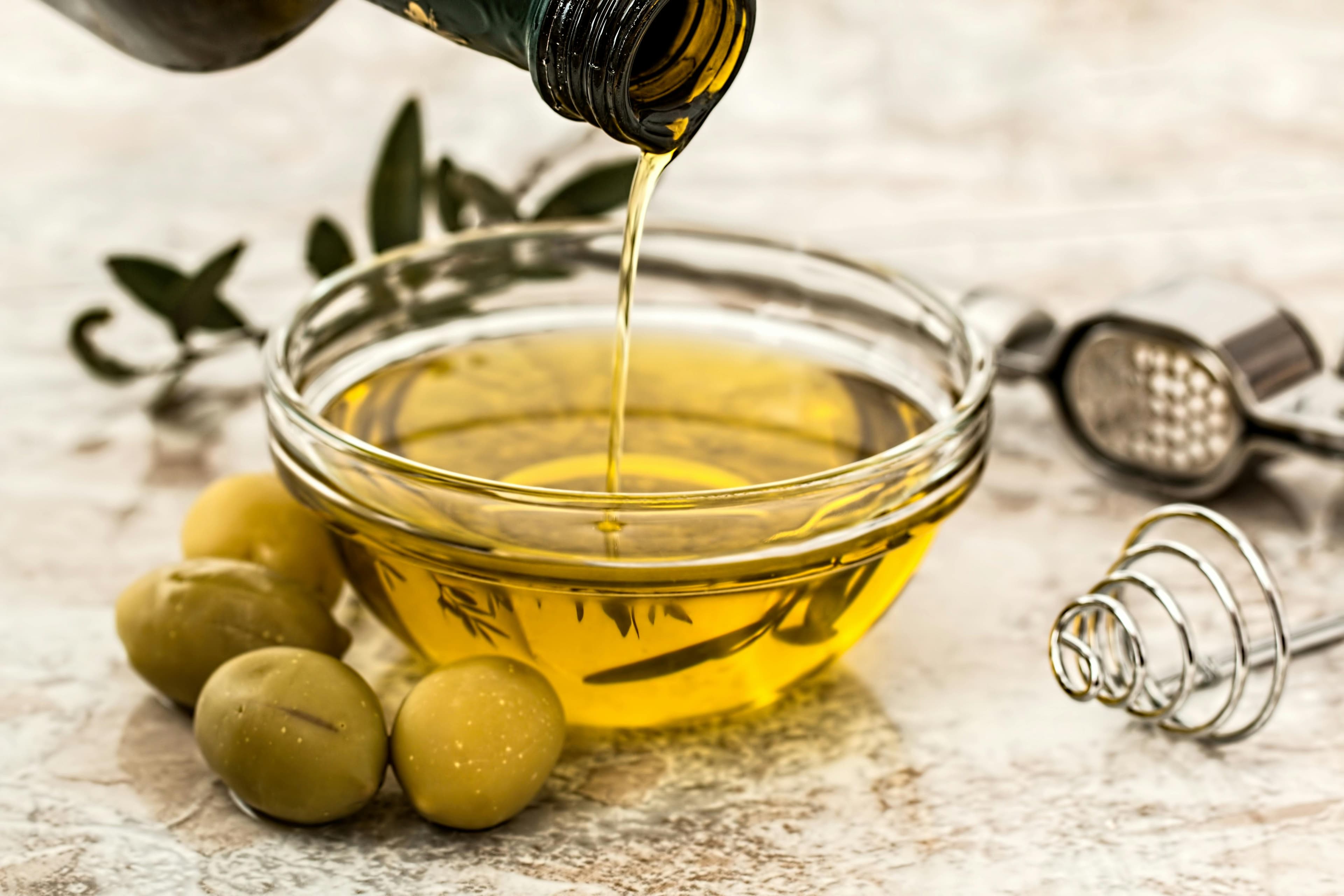
Antioxidant
The monounsaturated fats (MUFAs) and polyphenols in olive oil work synergistically to reduce cardiovascular disease, lower inflammation, and improve glycemic control.
Polyphenols especially are bioactive compounds that work as an antioxidant to protect the heart and cells from wear and tear.
With these antioxidants, olive oil is particularly effective in protecting the body against heart diseases and cancers, which are triggered by oxidative stress.
Brain Function
extra virgin olive oil’s polyphenols (particularly oleocanthal) work to protect the brain and improve cognitive function.
Studies have found that these compounds helped restore healthy blood-brain barrier function and reduced brain-inflammation which is the leading factor of Alzheimer's.
30% of participants in another study which had them undergo a 12-week diet that included olive oil found that it improved their symptoms of depression.
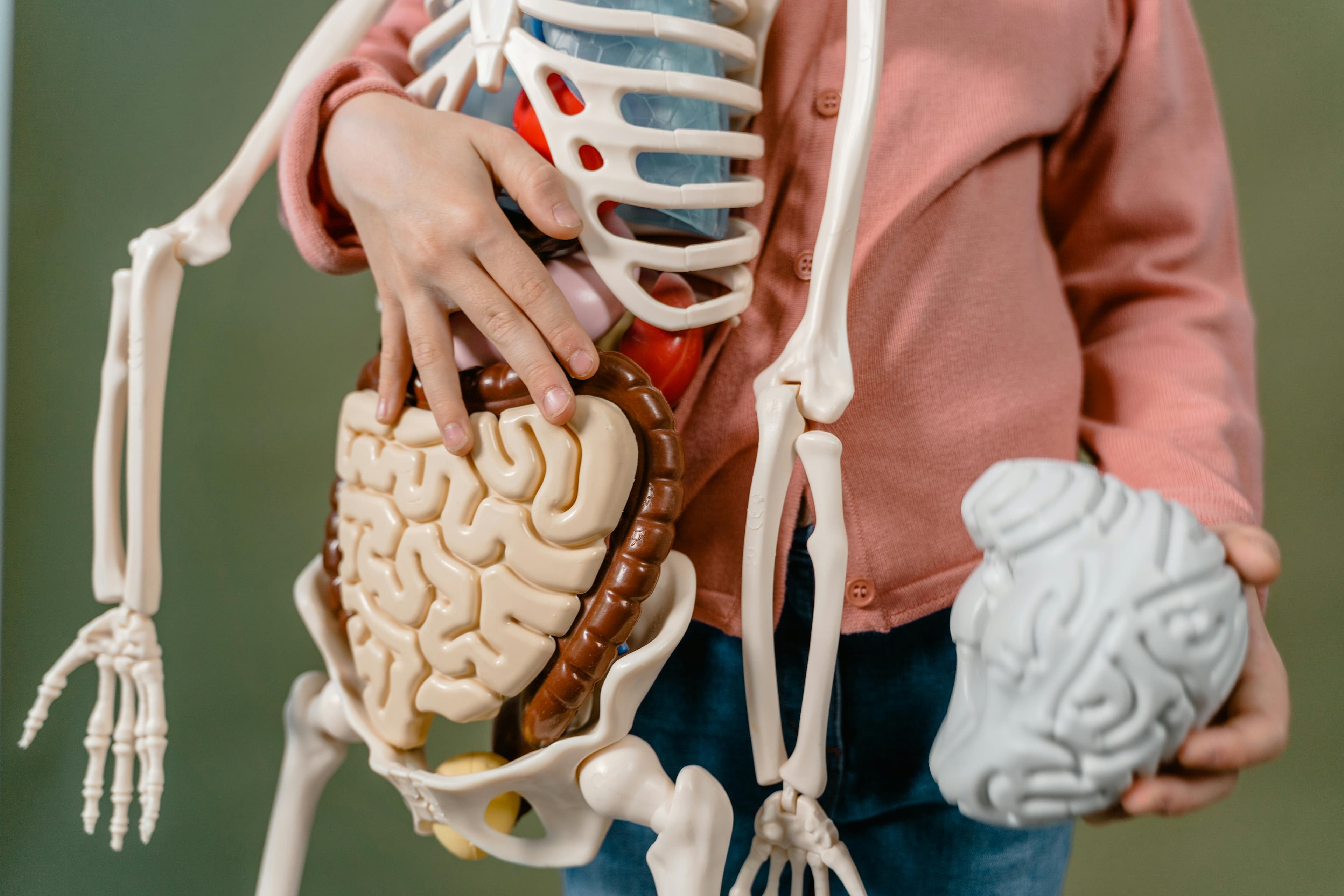
Healthy Gut Microbiome
Olive oil was found to increase the diversity of gut microbiota. A healthy gut microbiome is responsible not only for digestion, but for mood as well as skin health!
Researchers found a genus of bacteria known as Adlercreutzia in the gut as an indicator of an improved gut-brain axis through olive oil consumption.
The polyphenols in olive oil were also found to reduce inflammation in the GI tract and promote the growth of good gut bacteria, specifically bifidobacteria.