Selenium: Combatting Alzheimer's
Neurodegenerative diseases like Alzheimer’s and dementia, where brain function declines, is a nightmare for families to deal with.
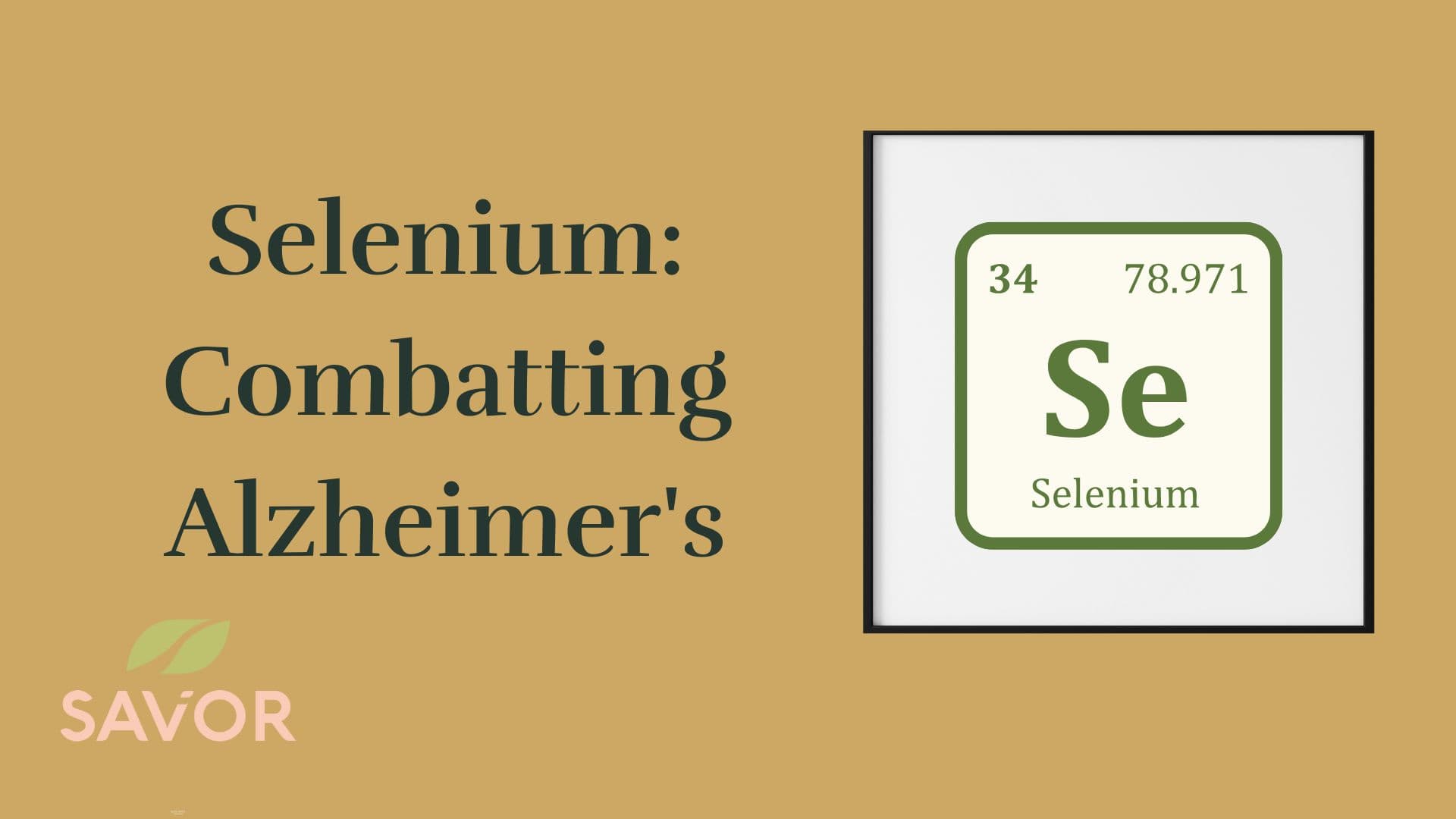
Selenium: Combatting Alzheimer's
Neurodegenerative diseases like Alzheimer’s and dementia, where brain function declines, is a nightmare for families to deal with.
From forgetting faces and experiences to losing independence entirely, these conditions destroy not just the patient's life but reshape entire family dynamics.
Today, let’s find out what selenium can do to protect the brain from brain diseases.

Neurogenesis
Let’s start with the hippocampus, a region of the brain responsible for forming new memories. Through a process called neurogenesis, the hippocampus can do what no other part of the brain can: its cells can continuously divide and grow throughout life.
As we age, this neurogenesis slows down and sometimes stops for some patients, leading to memory loss and difficulty thinking.
Selenium
Recent studies have found that selenium, a compound found in certain foods, has the ability to promote neurogenesis and protect against cognitive decline.
Studies have found that selenium levels in the body correlate with cognitive health, with lower selenium levels found in people more likely to have cognitive failure.
A lack of selenium is found to induce inflammation in the brain, a key marker for Alzheimer’s patients.
Additionally, on a study with mice, selenium was found to improve their learning and memory, showing promise for treating humans.
The Role of Exercise
Scientists found that exercise doubled the rate of SEPP1 proteins in the blood, these proteins are responsible for selenium levels in the body.

Foods Rich In Selenium
There is a wide range of foods rich in selenium, among them are:
Brazil nuts: the best source for selenium
Whole grain toast
Brown rice
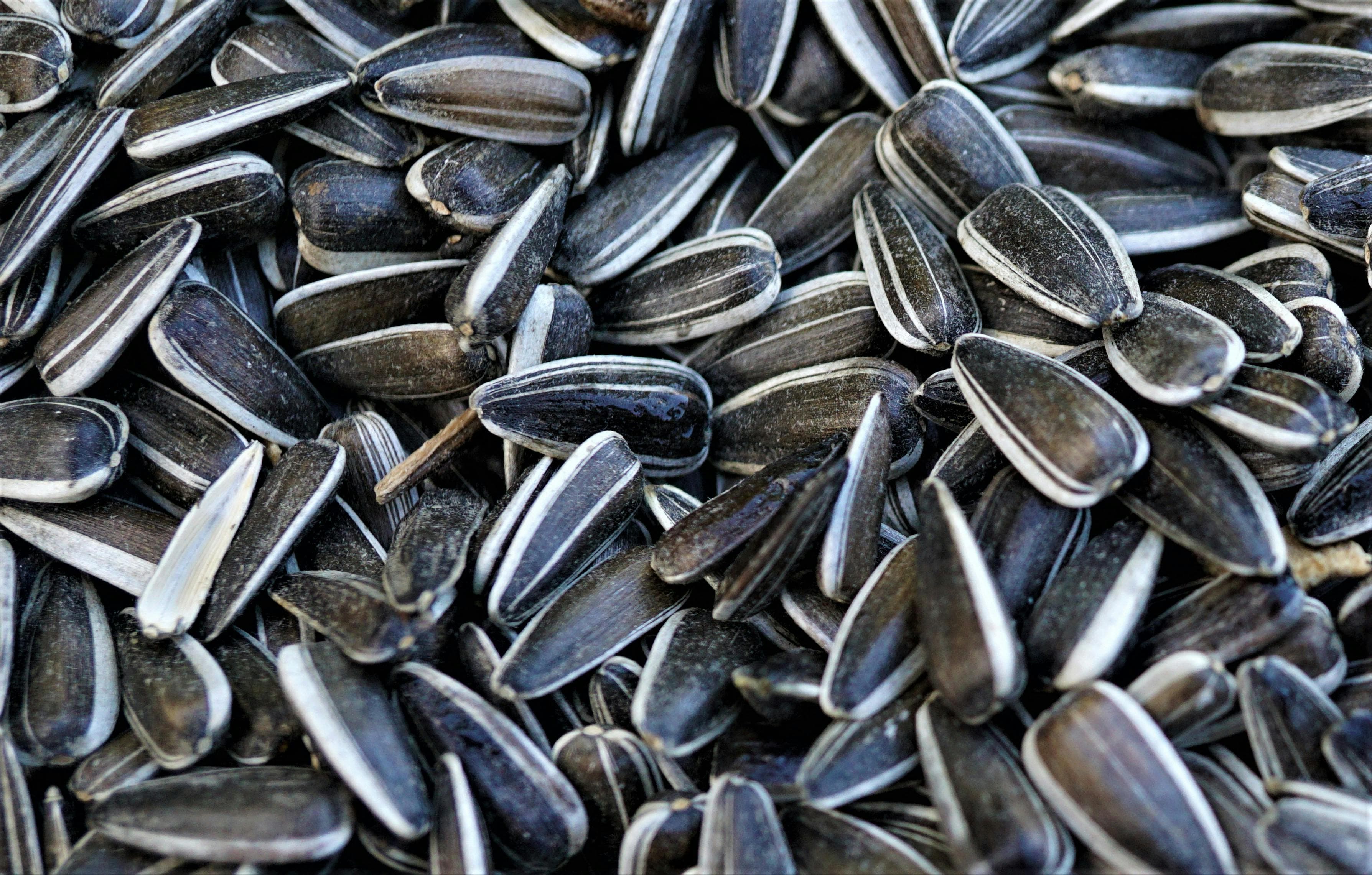
Sunflower seeds
Baked beans
Mushrooms
Oatmeal
Spinach