Foods To Take After Antibiotic Treatment
Doctors may prescribe antibiotics for a range of reasons, including such as pneumonia, urinary tract infections (UTIs), strep throat, and skin infections. However, did you know antibiotics can mess up your gut microbiome?
Foods To Take After Antibiotic Treatment
Doctors may prescribe antibiotics for a range of reasons, including such as pneumonia, urinary tract infections (UTIs), strep throat, and skin infections. However, did you know antibiotics can mess up your gut microbiome?
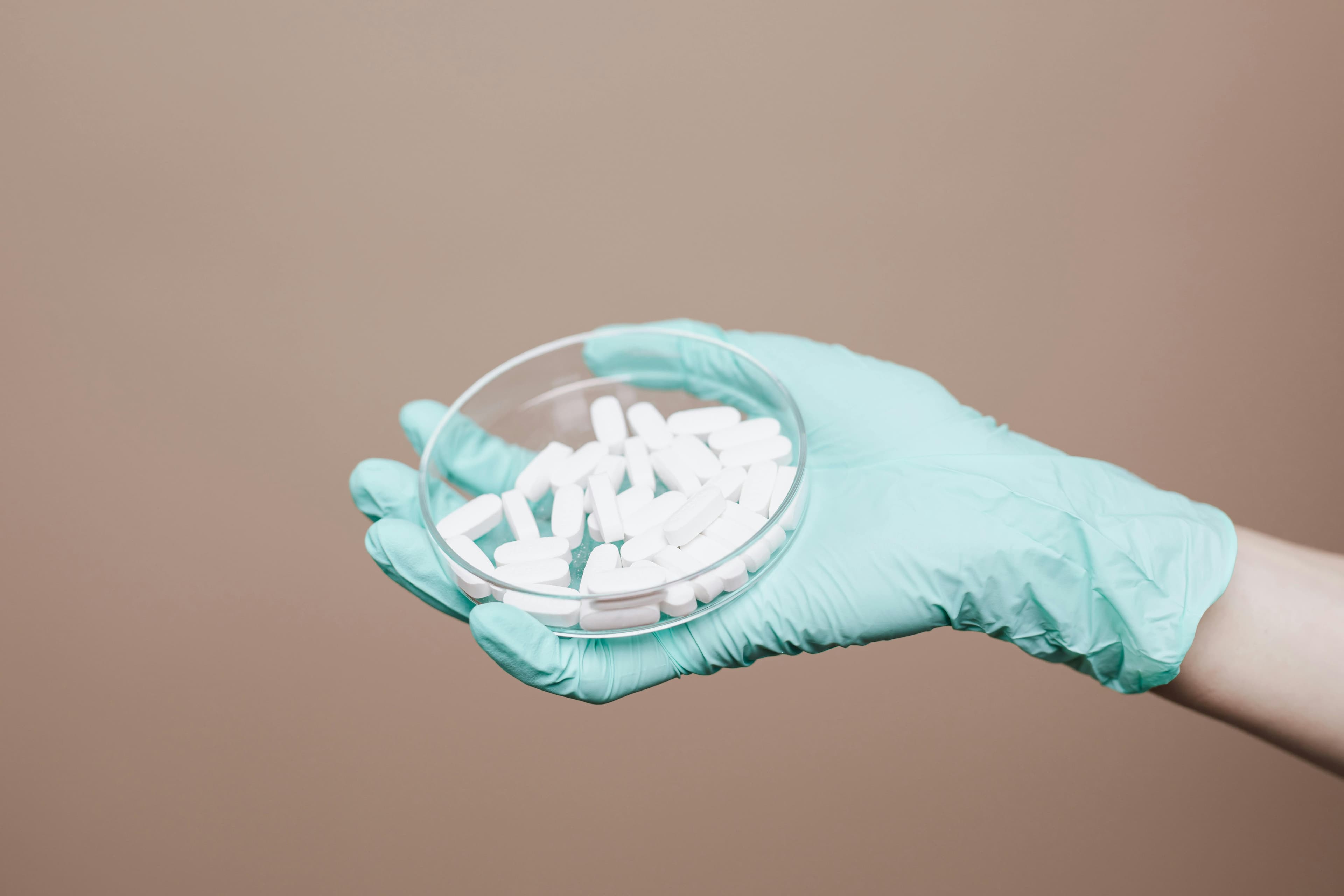
The Downsides of Antibiotics
Antibiotics are a miracle of modern medicine. They are particularly effective against bacterial infections, and antibiotics work by inhibiting the growth and reproduction of bacteria.
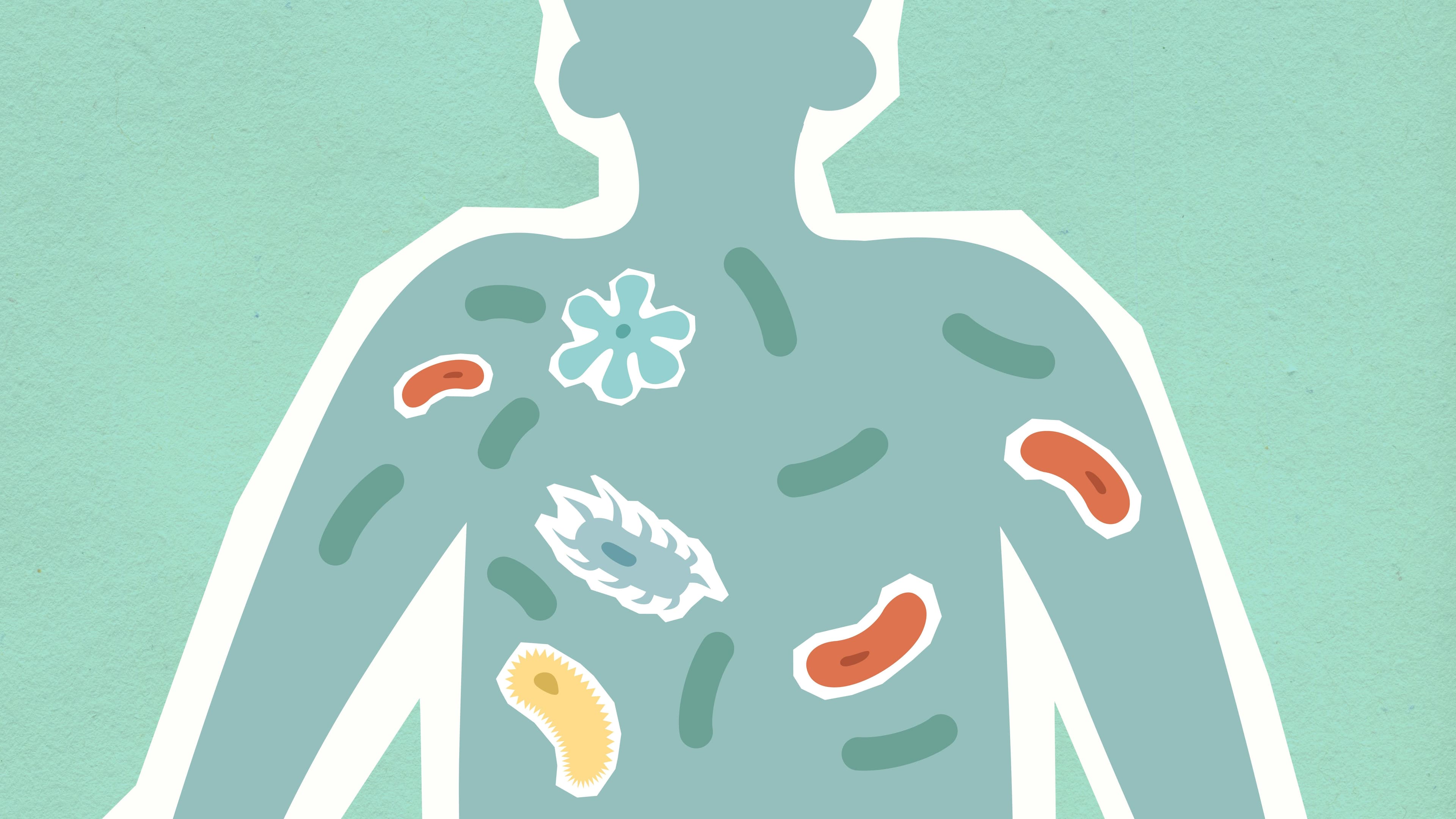
However, antibiotics also kill off the trillions of good bacteria in your gut. Your body needs good bacteria to break down complex fibers, synthesize vital vitamins (B12, K), and strengthen the intestinal wall against pathogens.
Why Probiotics May Not Work
Not only does antibiotics disrupt the good bacteria in the gut, they also reduce the diversity of good bacteria. You might be tempted to try out over the counter probiotics products.
However, these may not work in bringing back balance to your gut microbiome ecosystem, simply because these external probiotics are not native to your gut microbiome, disrupting the recovery process.
Foods That Work
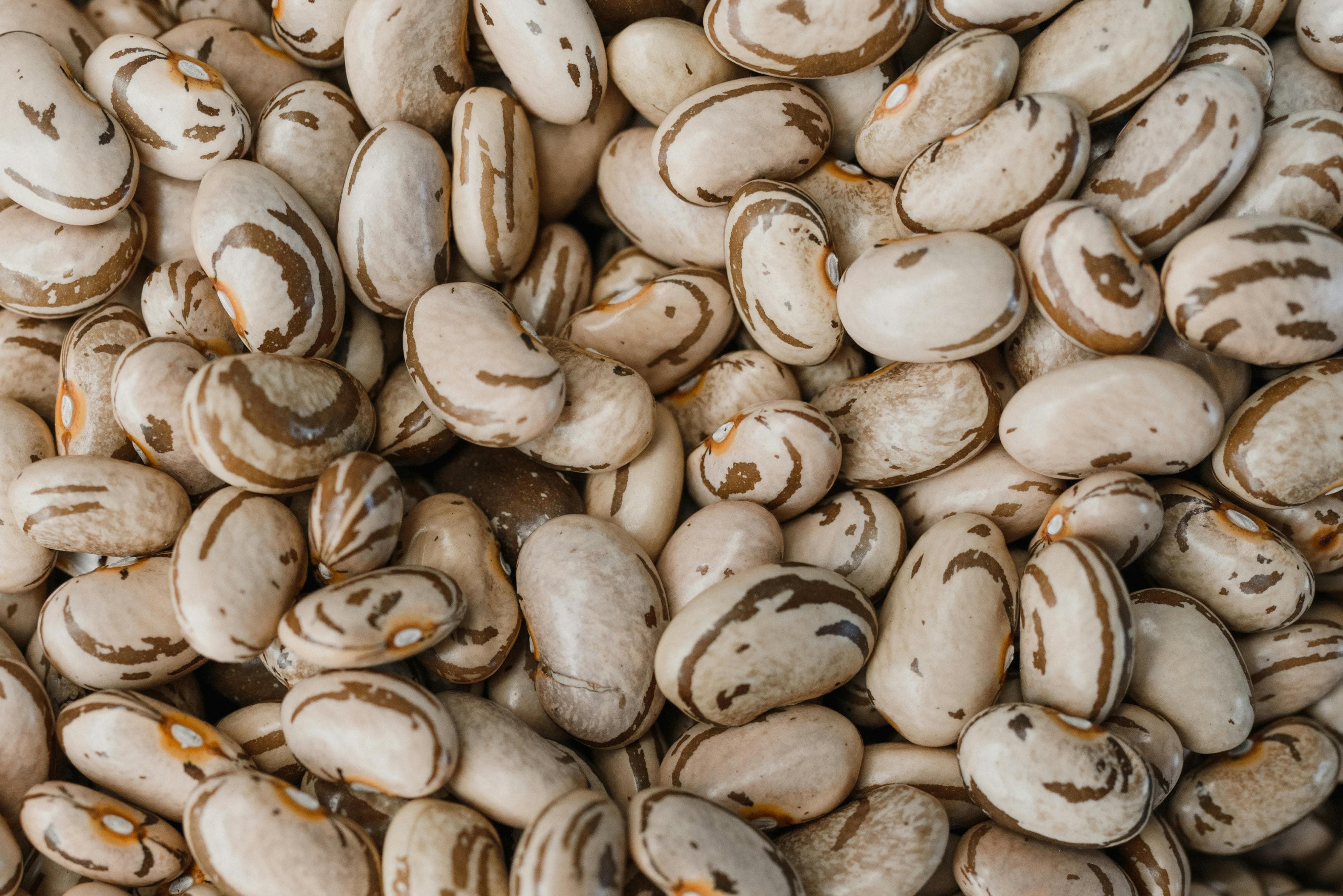
Food is medicine, and the most natural way of regaining balance in your gut is through whole-foods.
Fiber-Rich Foods
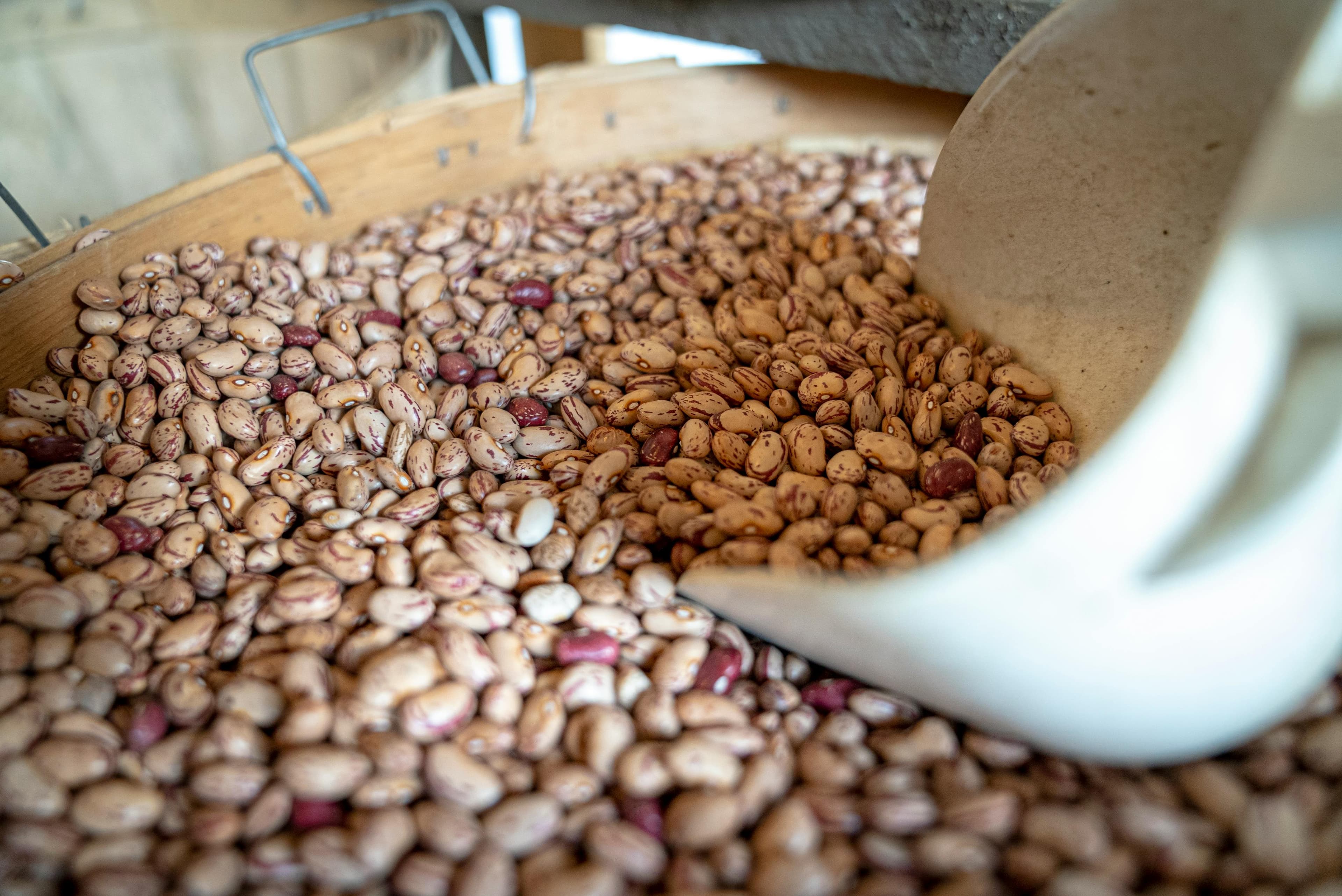
Foods rich in fiber not only aid in digestion, but they also play a role once they reach your large intestine. Once inside, the remaining good bacteria will ferment the food, turning it into not only a food source for themselves, but also into biologically active compounds which strengthens your overall gut health
High Fiber foods to take include: leafy greens, fruit, grains, beans and legumes
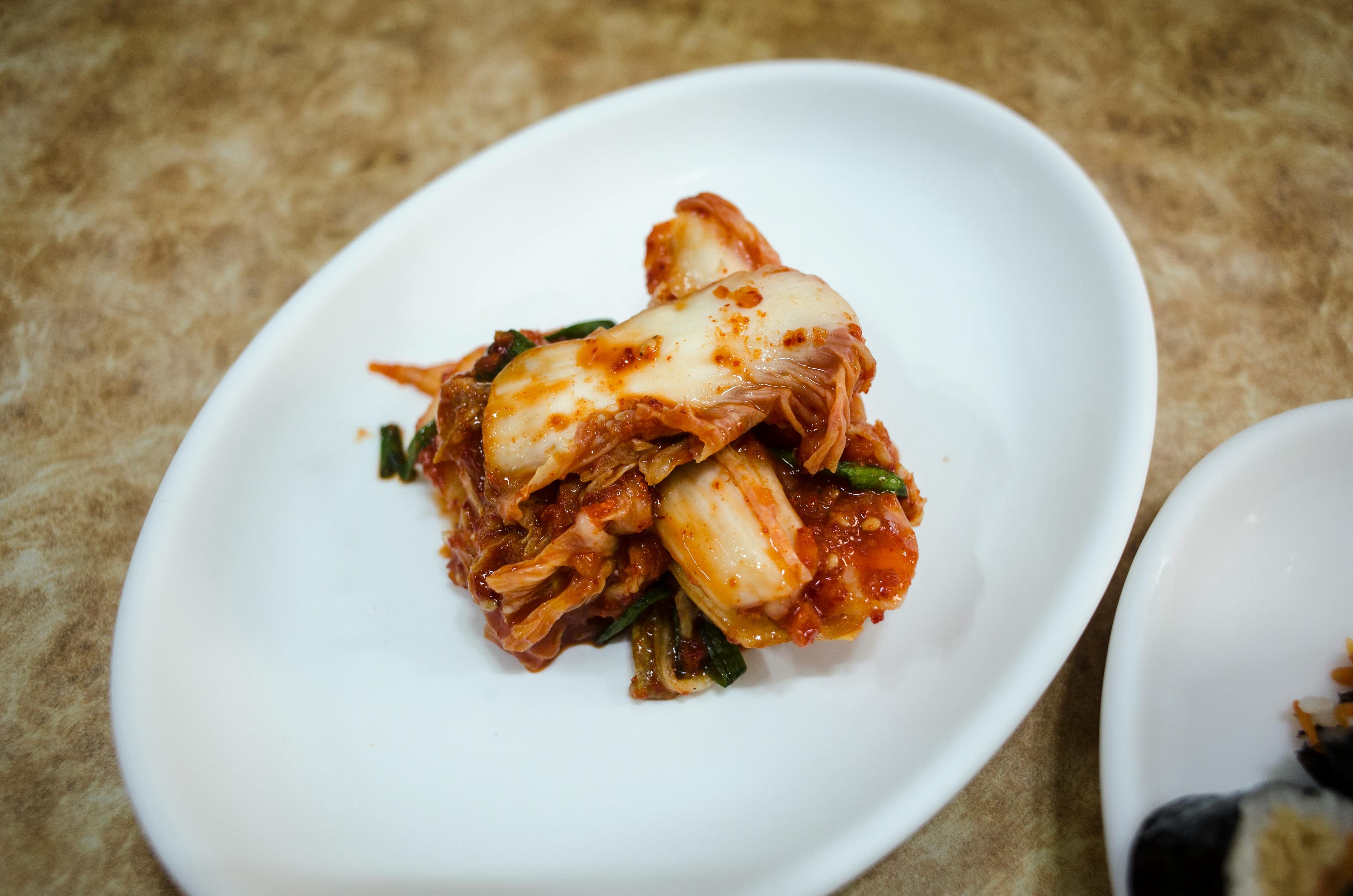
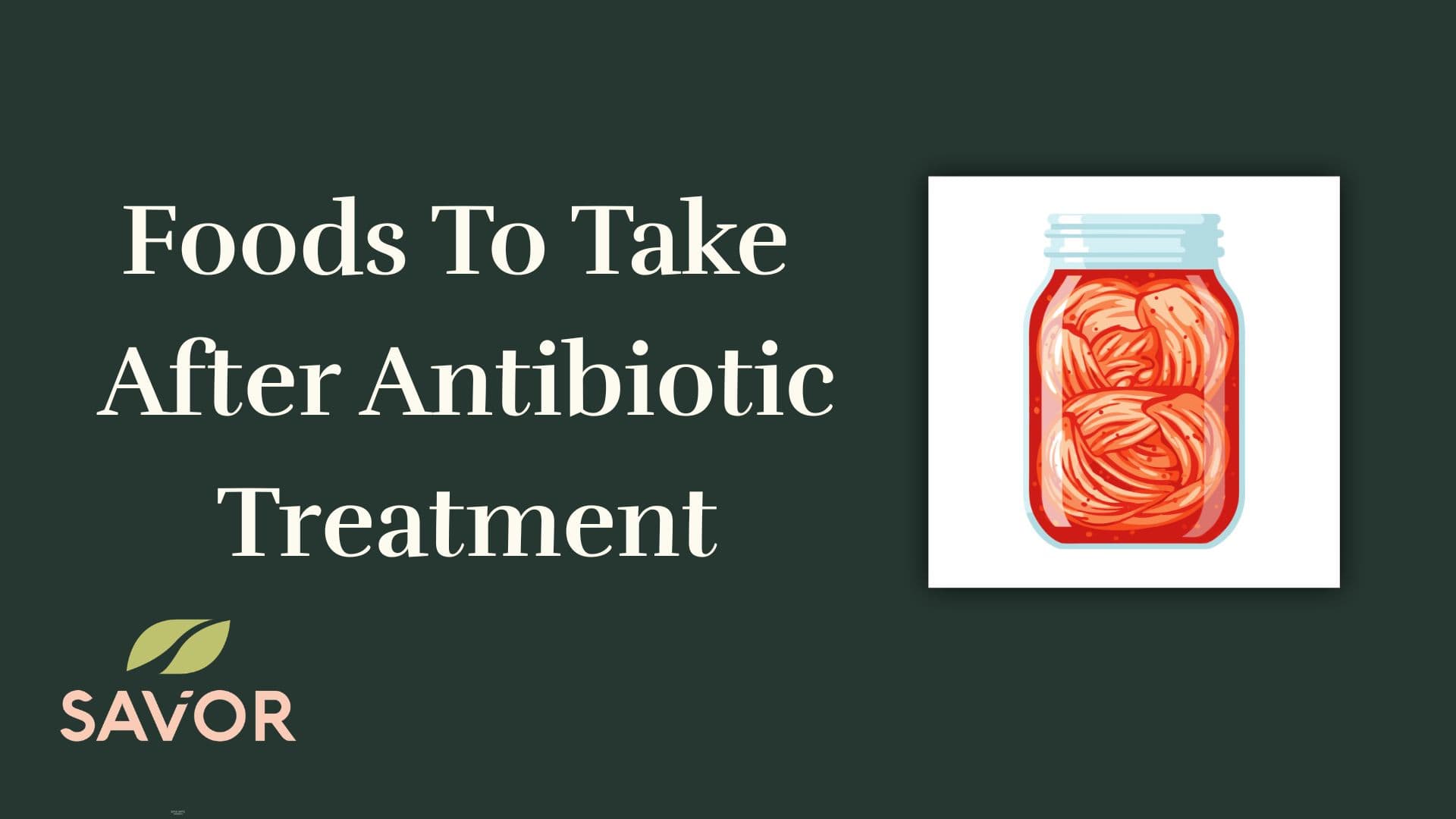
Fermented Foods
Fermented foods undergo a process that breaks down the carbohydrates and sugars in natural foods, unlocking more nutrients and preserving shelf life. Fermented foods are packed with active natural probiotics and .