The Blue Zone Diet
What's the secret to living past 100? National Geographic researcher Dan Buettner set out to answer this question by studying 5 regions where people lived past 100. He named these regions "Blue Zones,"

The Blue Zone Diet
What's the secret to living past 100? National Geographic researcher Dan Buettner set out to answer this question by studying 5 regions where people lived past 100. He named these regions "Blue Zones,"
While these communities are separated by thousands of miles and distinct cultures, they share one powerful commonality: their diet is predominantly plant-based and remarkably low in processed foods.
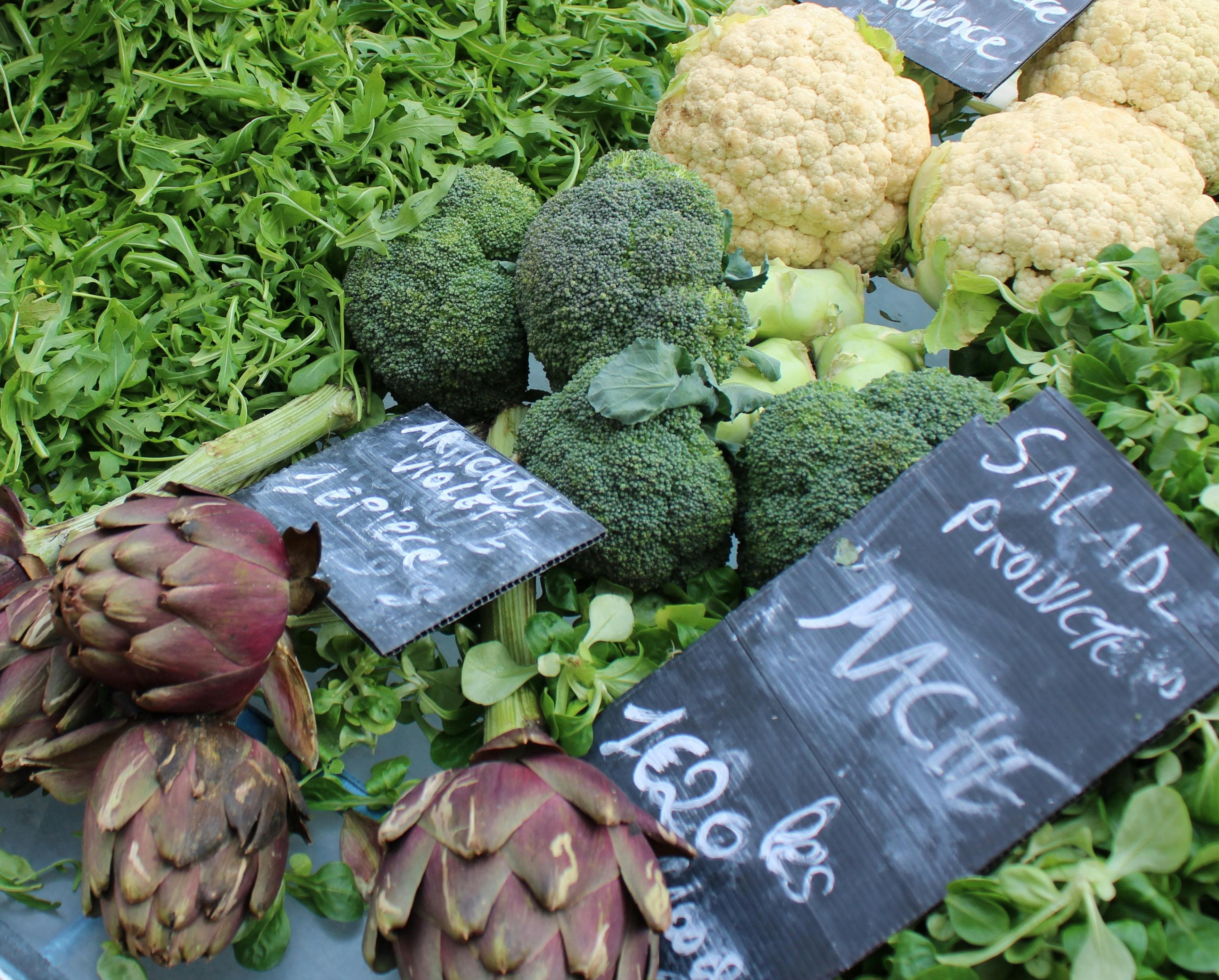
The Foundation: Plants First
The Blue Zones diet isn't complicated or restrictive. It's built on simple, whole foods that have nourished communities for generations. The emphasis is on eating what grows from the ground, prepared simply, and enjoyed regularly.
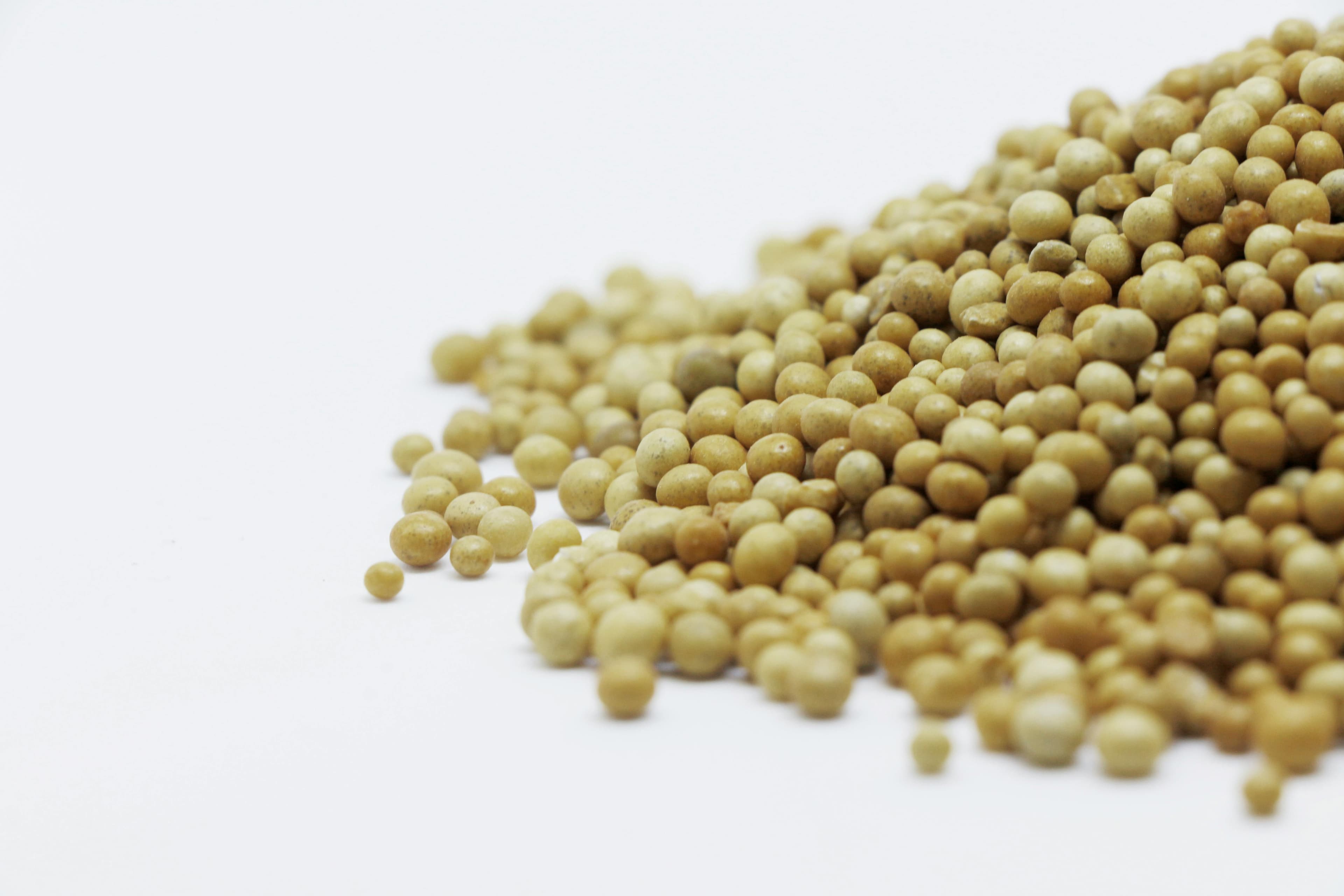
Legumes
Legumes form the protein cornerstone of this eating pattern. Beans, lentils, chickpeas, and peas appear in daily meals across all Blue Zones. Ikarians enjoy black-eyed peas and lentils, Okinawans rely on soybeans in forms like tofu and miso, while Sardinians favor fava beans and chickpeas. These humble legumes deliver protein, fiber, and essential nutrients that support heart health and longevity.
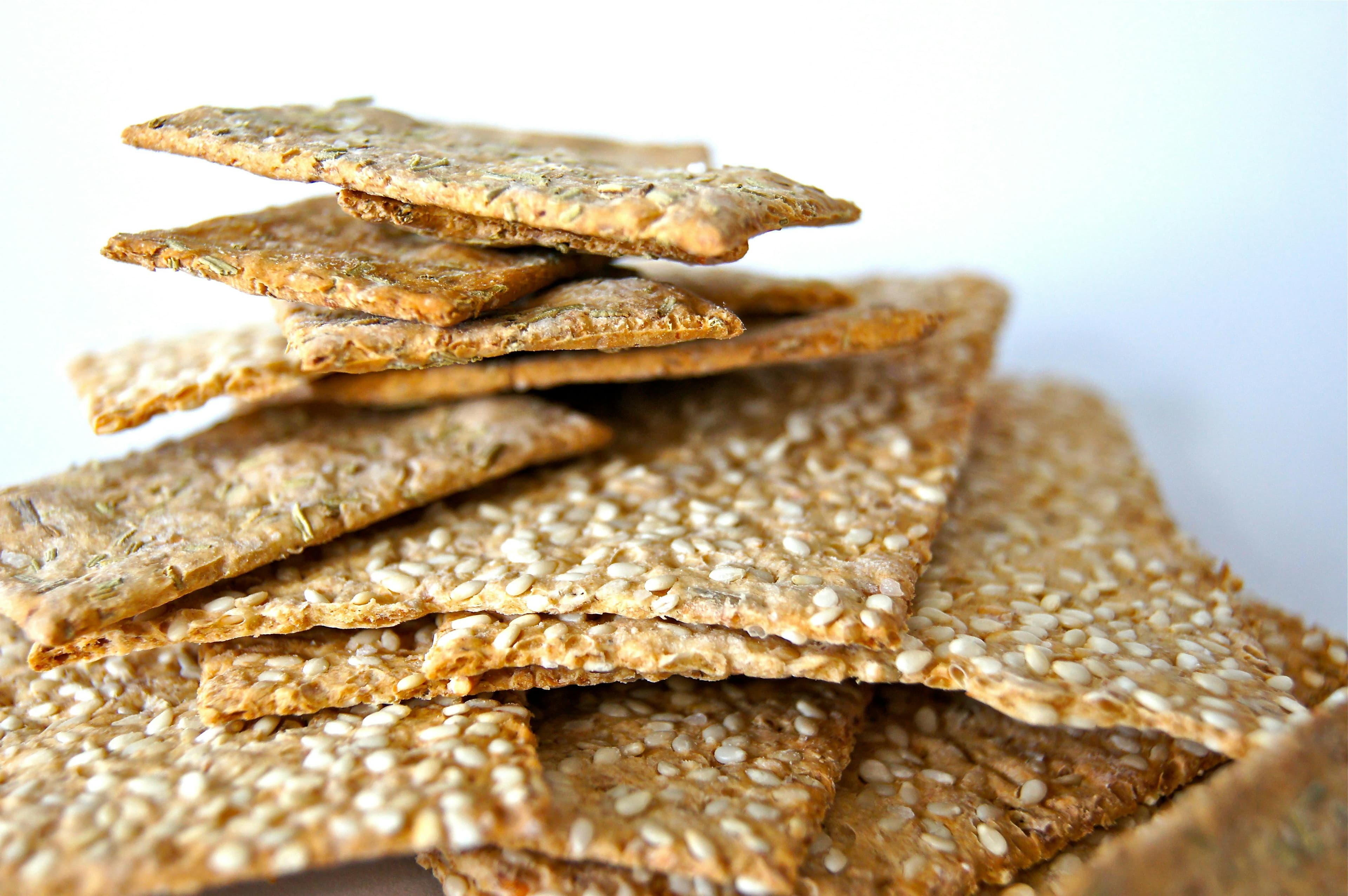
Whole Grains
Whole grains provide sustained energy throughout the day. Unlike refined grains, these are eaten in their natural, unprocessed state. Okinawans traditionally ate purple sweet potatoes and brown rice, Sardinians bake sourdough bread from whole wheat and enjoy barley, while Nicoyans eat corn tortillas made from whole kernels. These complex carbohydrates stabilize blood sugar and nourish beneficial gut bacteria.
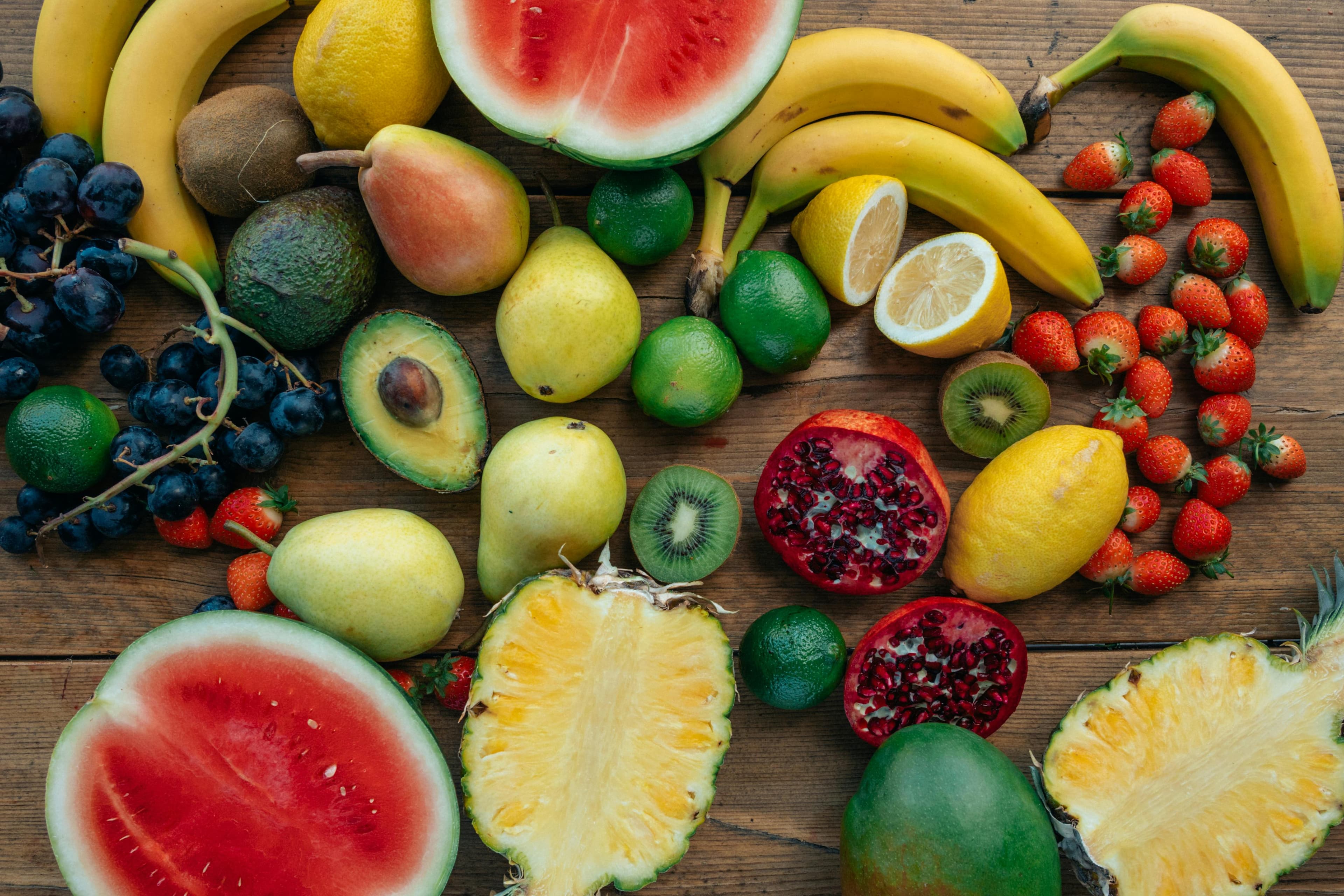
Fruits
Fruits serve as nature's dessert, satisfying sweet cravings while delivering vitamins and antioxidants. Fresh, seasonal varieties appear at most meals, providing natural sweetness and vitamines without added sugars.

Olive Oil
Olive oil is the primary fat source, particularly in Mediterranean Blue Zones like Ikaria and Sardinia. Rich in healthy monounsaturated fats and anti-inflammatory compounds, it's used generously for cooking and drizzling over vegetables.

What's Missing Matters Too
Perhaps equally important is what Blue Zones residents don't eat regularly. Meat and sugar appear sparingly, treated more as occasional treats than daily staples. When meat is consumed, portions are small (typically about the size of a deck of cards) and reserved for celebrations or special occasions.
The Blue Zones diet proves that longevity doesn't require expensive supplements or complicated meal plans. It's about returning to simple, plant-based foods that humans have thrived on for centuries.
Sources:
Food and Home: The science behind the blue zone diet