The Plant Protein Myth Settled
The myth: plants don't have complete protein. You've heard it. It's wrong — or at least, it stopped being relevant decades ago.
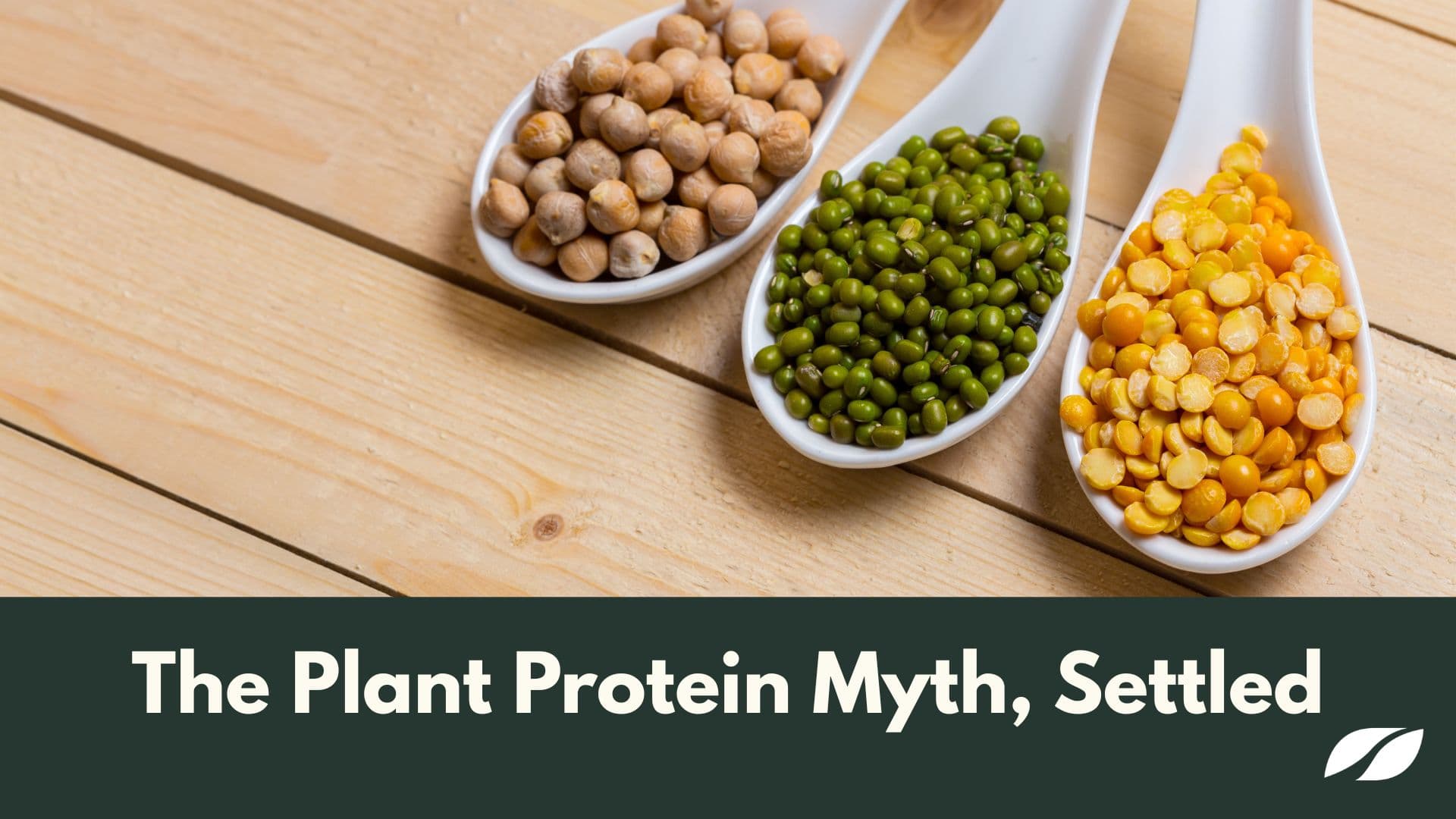
𝗧𝗵𝗲 𝗣𝗹𝗮𝗻𝘁 𝗣𝗿𝗼𝘁𝗲𝗶𝗻 𝗠𝘆𝘁𝗵, 𝗦𝗲𝘁𝘁𝗹𝗲𝗱
The myth: plants don't have complete protein. You've heard it. It's wrong — or at least, it stopped being relevant decades ago.
Lentils, tempeh, and edamame each deliver all 𝟵 𝗲𝘀𝘀𝗲𝗻𝘁𝗶𝗮𝗹 𝗮𝗺𝗶𝗻𝗼 𝗮𝗰𝗶𝗱𝘀—histidine, isoleucine, leucine, lysine, methionine, phenylalanine, threonine, tryptophan, and valine.
𝗧𝗲𝗺𝗽𝗲𝗵, in particular, is 𝗳𝗲𝗿𝗺𝗲𝗻𝘁𝗲𝗱. This means that the protein is already partially broken down for easier digestion, and its bioavailability holds up well against most animal sources.
𝗟𝗲𝗻𝘁𝗶𝗹𝘀 come paired with 𝗳𝗶𝗯𝗿𝗲 that feeds the gut bacteria responsible for long-term metabolic health. That's something meat doesn't offer.
𝗘𝗱𝗮𝗺𝗮𝗺𝗲 clocks in at 𝟭𝟴𝗴 𝗼𝗳 𝗽𝗿𝗼𝘁𝗲𝗶𝗻 per cup. Unlike meat sources, it comes with no saturated fat, therefore no inflammatory load that comes packaged with chronic health problems.
The longest-living populations on earth are heavily plant-based. Researchers have long studied these Blue Zones and their diets, and it's consistent across multiple independent datasets.
Animal protein exists. It works in a narrow sense. But "works" isn't the ceiling.
Plants build what lasts.