The Gut-Brain Axis
Did you know what you put in your body has an effect on your overall mood? Scientists have long studied the gut-brain axis, and how our gut impacts our overall brain function.
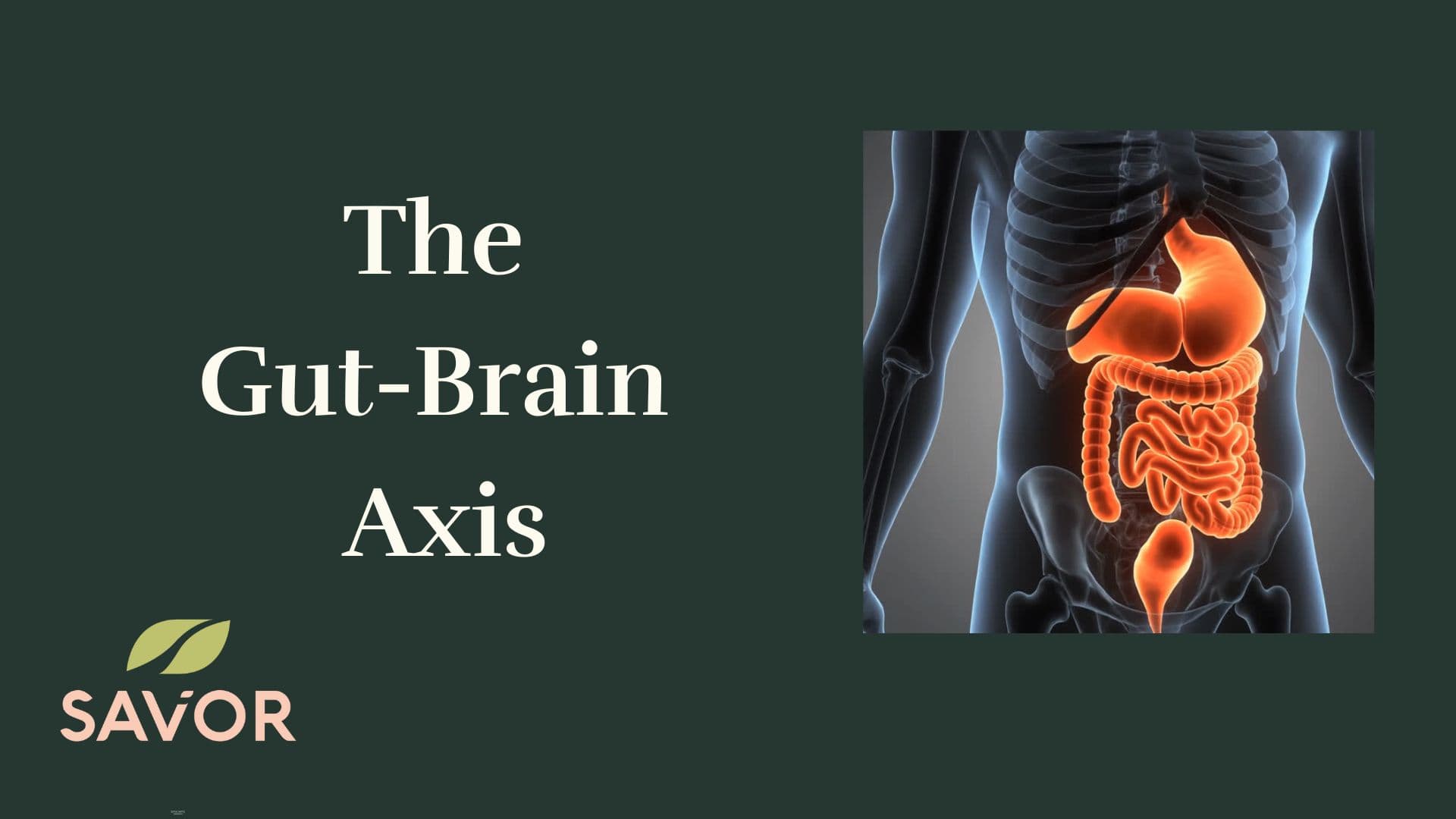
The Gut-Brain Axis
Did you know what you put in your body has an effect on your overall mood? Scientists have long studied the gut-brain axis, and how our gut impacts our overall brain function.
Let’s find out more about this.
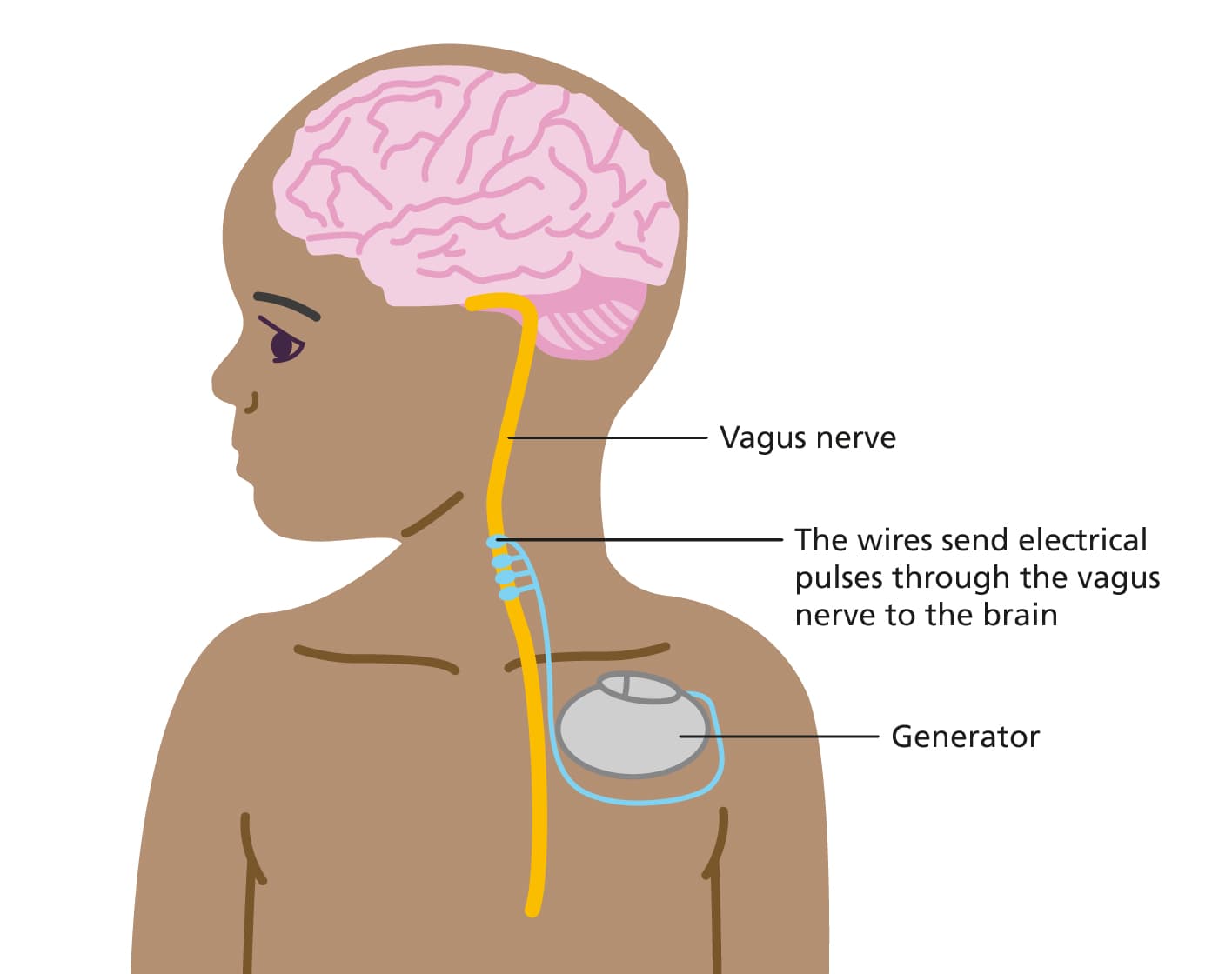
The Vagus Nerve
The gut-brain axis communicates through the vagus nerve, also known as the longest nerve in the body, connecting from the brainstem to the abdomen.
The vagus nerve is important for controlling involuntary functions like heartbeat, digestion and breathing. A healthy vagus nerve influences mood, immune response, speech, and gut health.
Serotonin
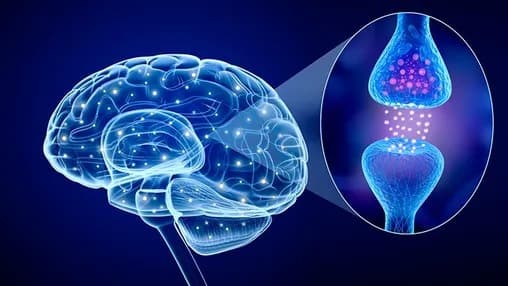
Serotonin is a neurotransmitter that is known as the “feel good” chemical. Studies have found that 90% of serotonin is made in the gut, and only 10% is made in the brain.
Among the benefits of serotonin in the body are:
Mood: higher serotonin levels is associated with lower levels of depression
Digestion: Serotonin influences the gastrointestinal (GI) tract and maintains healthy bowel movement
Sleep: Your brain needs serotonin to make melatonin, a powerful hormone responsible for a good night’s rest
Wound healing: Serotonin travels from the gut to bind the platelets, and are released by platelets to help facilitate the healing of wounds
Tryptophan
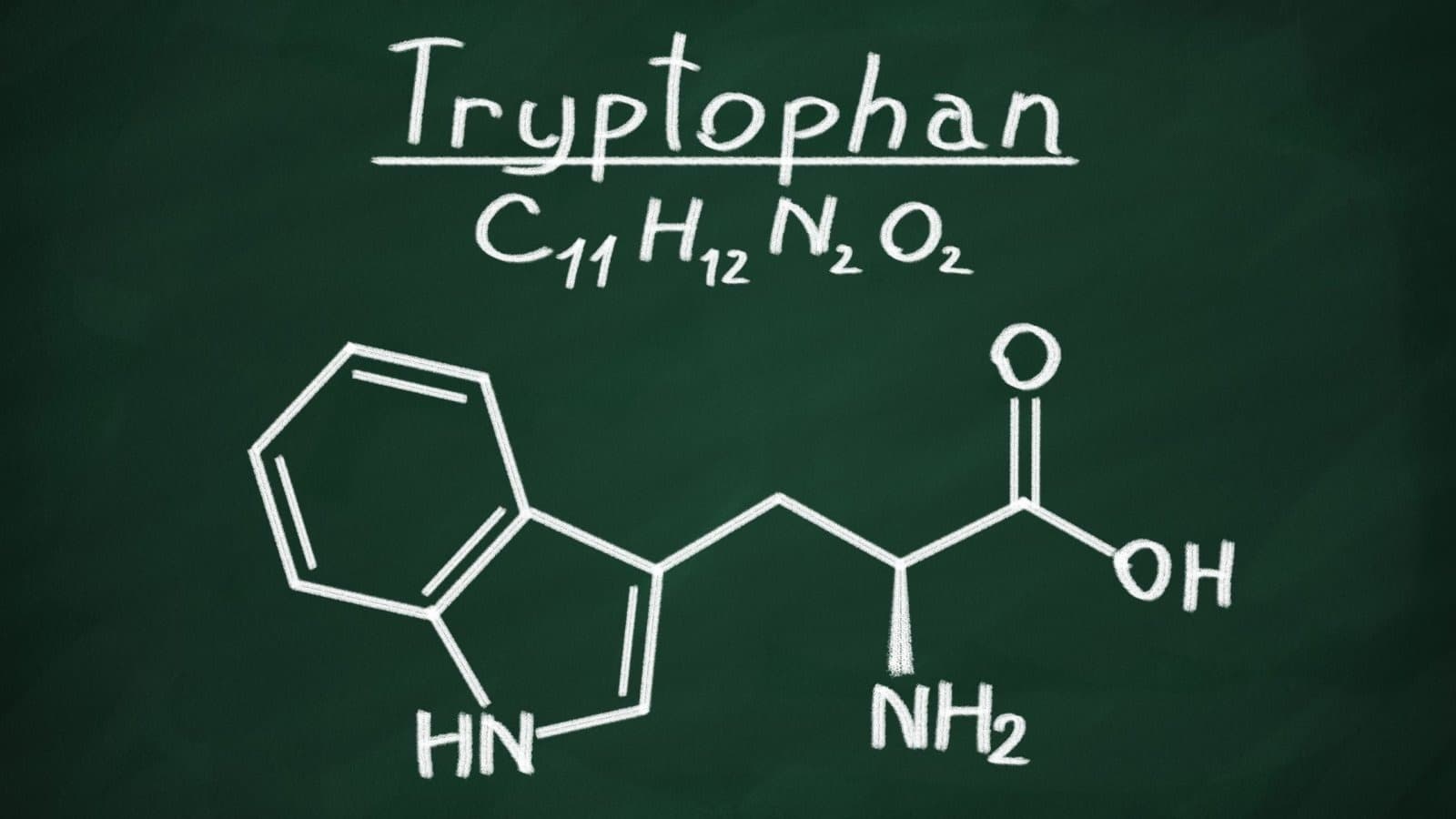
Serotonin is formed from the amino acid tryptophan, which is found in most high protein foods. Among the foods rich in tryptophan are:
Soy products
Oats
Beans
Peanuts
Nuts: cashews, almonds, walnuts
Seeds: sesame seeds, sunflower seeds, flaxseeds
Quinoa
Potatoes
Adding these foods into your daily rotation will increase tryptophan levels in the body, essential for serotonin production in the gut, which leads to better mood and better sleep.