Understanding Zinc Deficiency
Zinc is a tiny mineral that does big jobs in your body. It helps you fight off germs, heal cuts and scrapes, and even lets you taste and smell your food.
Understanding Zinc Deficiency
Zinc is a tiny mineral that does big jobs in your body. It helps you fight off germs, heal cuts and scrapes, and even lets you taste and smell your food. Since your body can't make zinc on its own, you need to get it from what you eat every day.
What Happens When You Don't Get Enough Zinc
When you don't get enough zinc, your body starts showing warning signs. Babies with low zinc might have frequent diarrhea or grow more slowly than expected. Older kids and adults can experience different problems. You might notice your hair falling out in patches or getting thinner. Your nails might become brittle, change color, or show lines across them. Skin problems like rashes or sores can pop up too.
Messing With Your Senses
Low zinc can also mess with your senses and energy. Some people lose their sense of taste and smell, which can make eating less enjoyable. You might feel tired all the time or get irritable easily. Your appetite might drop, and you could get sick more often because your immune system isn't working as well. Cuts and wounds take longer to heal than they should.
The good news is that zinc deficiency can usually be fixed. If you notice these symptoms, talk to your doctor. They can figure out if low zinc is the problem and help you get better through supplements or changes to what you eat.
Plant-Based Foods Packed With Zinc
Nuts and Seeds
Hemp hearts: 1.8 mg per 2 tablespoons
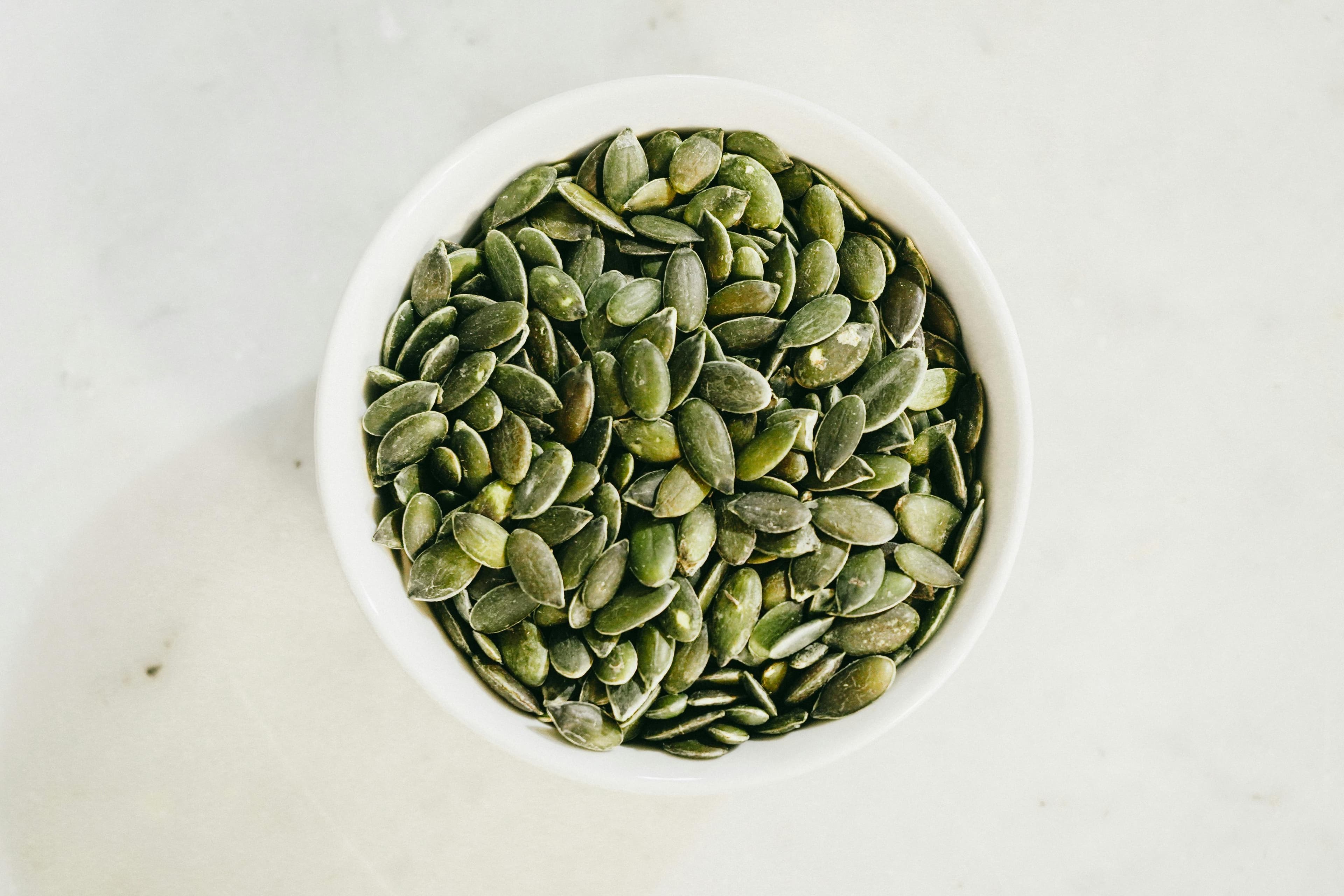
Pumpkin seeds: 2.7 mg per 1/4 cup
Cashews: 1.9 mg per 1/4 cup
Almonds: 1.1 mg per 1/4 cup
Ground flaxseed: 0.6 mg per 2 tablespoons
Whole Grains
Quinoa: 1.6 mg per 3/4 cup cooked
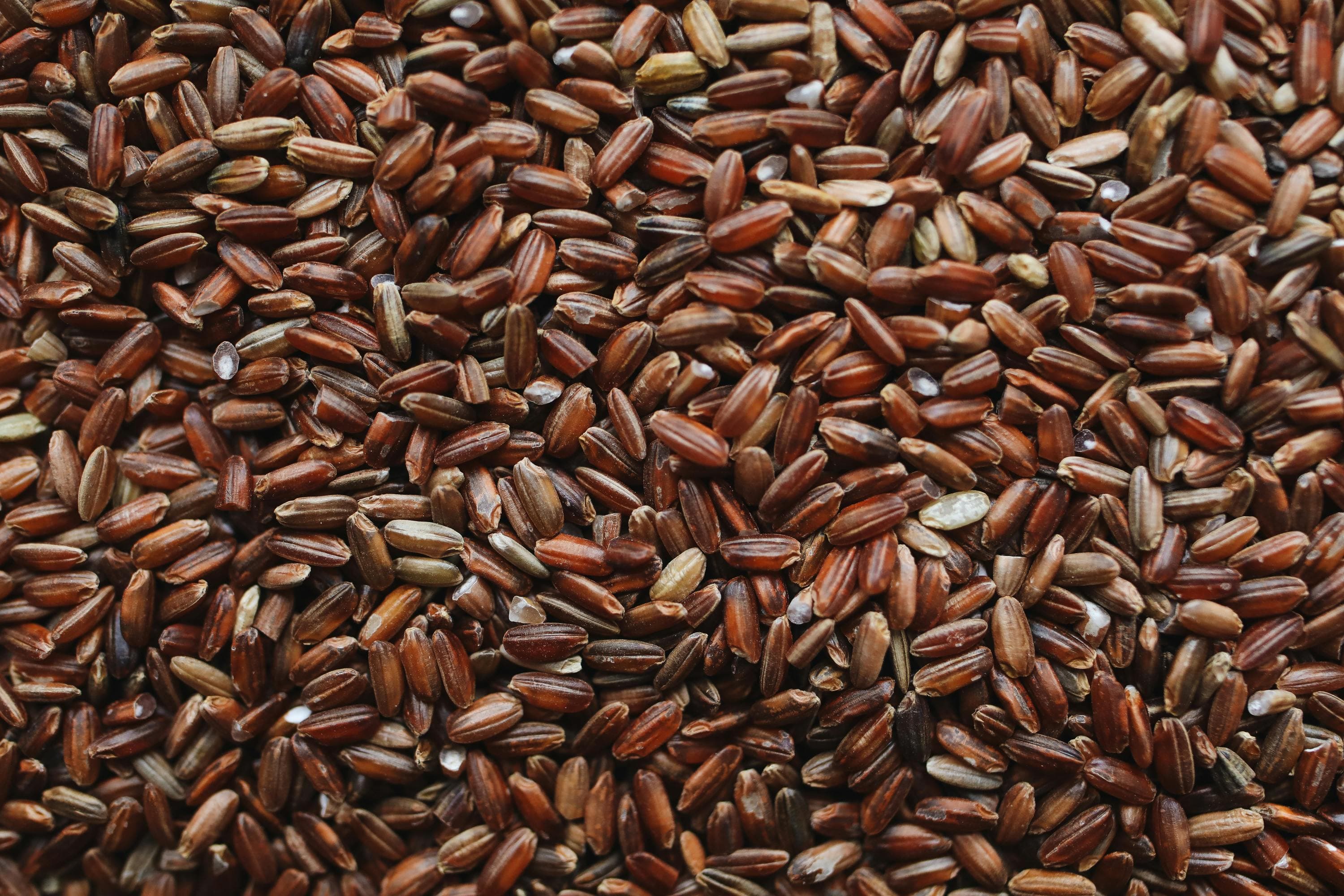
Brown rice: 1 mg per 3/4 cup cooked
Oats: 0.9 mg per 3/4 cup cooked
Whole grain bread: 0.6 mg per slice
Beans and Lentils
Vegetarian baked beans: 3 mg per 1/2 cup