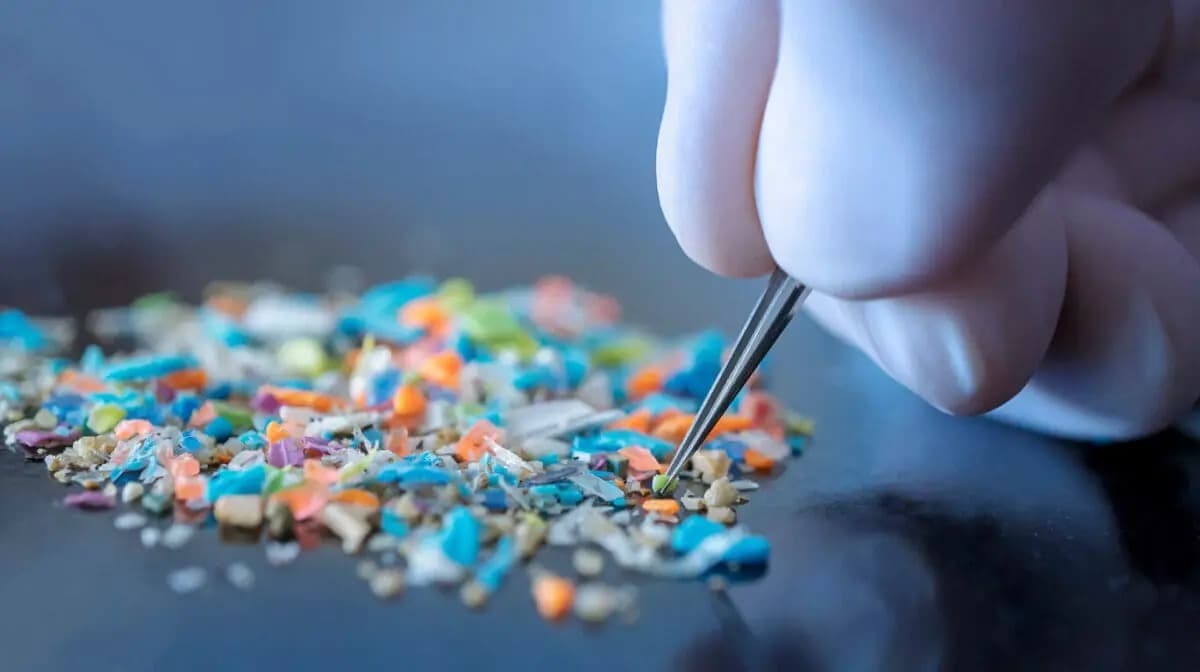
How Dangerous Are Microplastics?
Microplastics are inescapable as part of modern life. Almost every method of packaging and containing involves plastics to a degree. Science is only discovering the symptoms of microplastic exposure in the bloodstream

How Dangerous Are Microplastics?
Microplastics are inescapable as part of modern life. Almost every method of packaging and containing involves plastics to a degree. Science is only discovering the symptoms of microplastic exposure in the bloodstream
Let us find out how microplastics impact our health.
They’re Everywhere!
Research has found that microplastics are ubiquitous in our bodies, found in almost every bodily fluid you can think of. From saliva to blood to even breast milk, even in our organs and brain!
This makes finding a control group that hasn’t been exposed to microplastics difficult.

Brain Function
Studies show that people suffering from dementia were found to have 10 times more microplastics in the brain prior to death than those without the condition. This highlights how dangerous microplastic accumulation can be
These particles cross the blood-brain barrier and interfere with normal brain processes. While researchers are still figuring out whether microplastics directly cause dementia or simply accumulate more in brains affected by the disease, the dramatic difference in concentration suggests these particles play a role in neurological decline.

Cardiovascular Disease
Scientists in China found that those who had a buildup of microplastics in the plaques of the carotid arteries were 4.5 times more likely to develop stroke, heart attack or sudden death.

Inflammation
Chronic exposure to microplastics was found to worsen inflammation symptoms as well as lead to metabolic disorders.
This persistent inflammation can contribute to a range of health problems including insulin resistance, fatty liver disease, and disrupted hormone function. The metabolic disruptions caused by microplastic exposure may help explain rising rates of conditions like Type 2 diabetes and obesity, though more research is needed to establish definitive causal links.
What Can We Do About It?
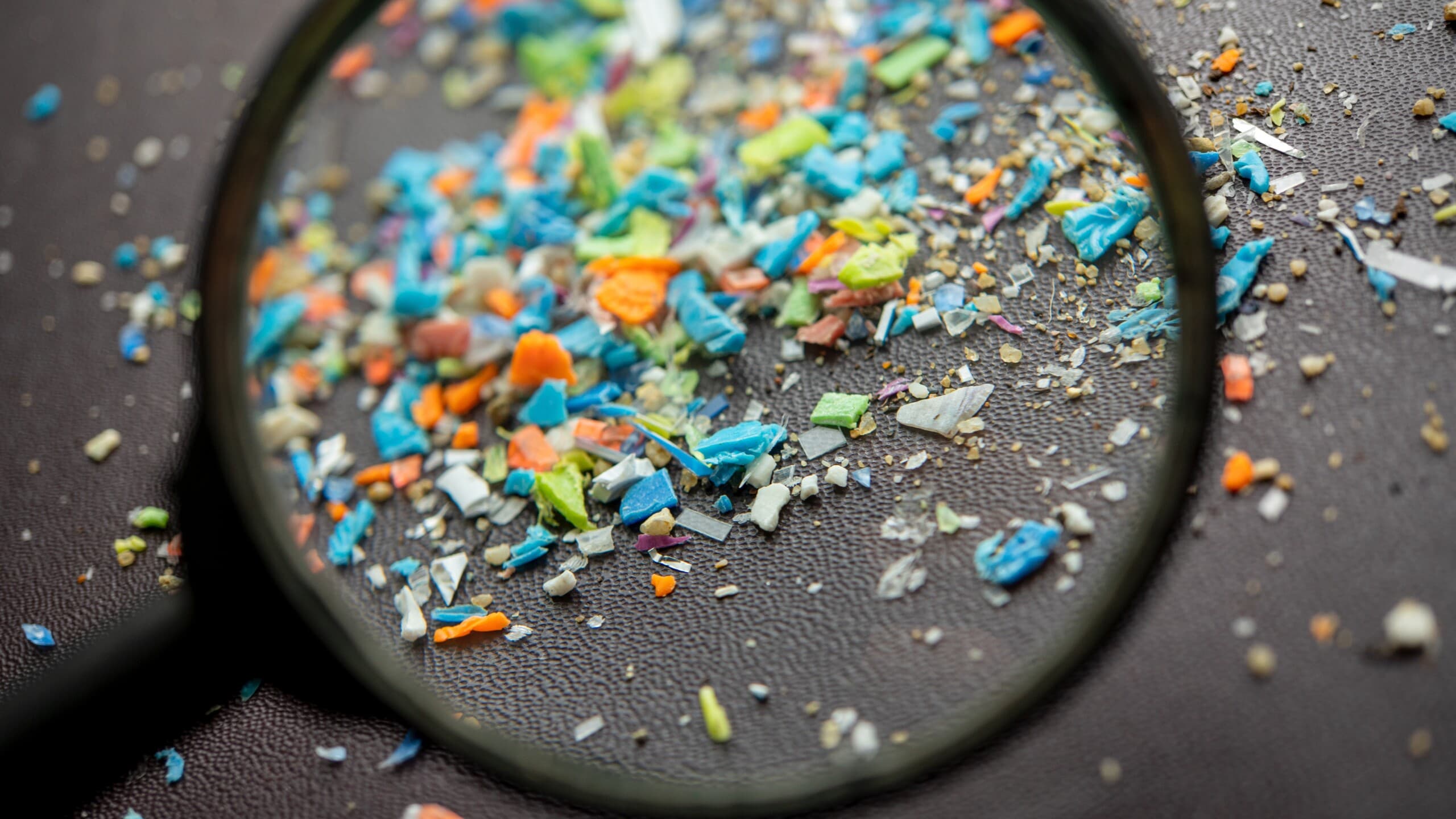
While microplastics are impossible to avoid entirely, researchers emphasize that reducing exposure is within reach. The solution requires action at both individual and systemic levels.